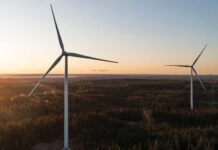

India has crossed the 300 GW mark in non-fossil fuel-based installed electricity generation capacity, reaching 300.50 GW as of July 2026. The milestone represents more than 60% of the country’s target of achieving 500 GW of non-fossil fuel capacity by 2030.
The total non-fossil capacity comprises 164.59 GW of solar power, 58.14 GW of wind power, 57.24 GW of hydro power, 11.75 GW of bio-power and 8.78 GW of nuclear power. Non-fossil sources now account for more than 54% of India’s total installed electricity generation capacity, which stands at around 552 GW.
The expansion has also been accompanied by strong growth in renewable electricity generation. Renewable generation increased from 190.96 billion units in 2014-15 to 477.79 billion units in 2025-26, reflecting the growing contribution of clean energy sources to the country’s electricity mix.
Domestic manufacturing capacity has also expanded, with the Approved List of Models and Manufacturers for solar PV modules crossing 200 GW of enlisted capacity. The increase in manufacturing capacity is expected to further support the deployment of solar projects while strengthening domestic supply chains for renewable energy equipment.
The Ministry stated that policy support and initiatives such as the National Green Hydrogen Mission are contributing to the development of an integrated clean energy ecosystem and strengthening India’s energy security.