
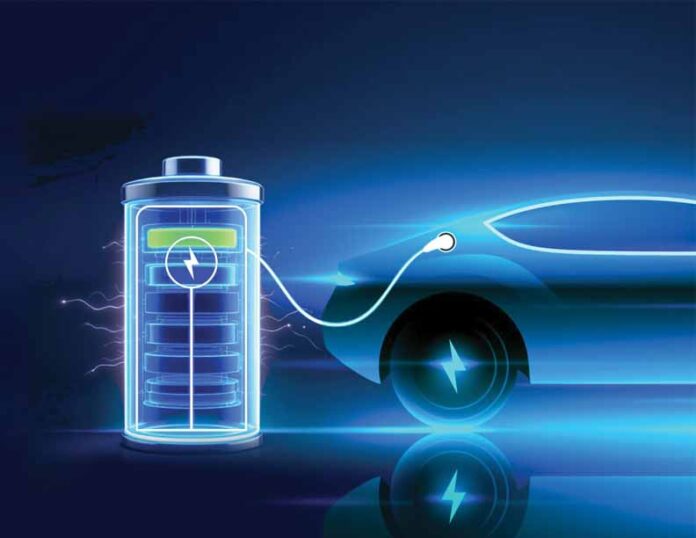
A Battery-operated Electric Vehicle (BEV) is powered entirely by electricity stored in rechargeable batteries, eliminating the need for gasoline or diesel engines. These vehicles use electric motors driven by the battery to propel the car, producing zero tailpipe emissions. BEVs recharge by connecting to external power sources such as home chargers or public charging stations.
They are called next-generation cars because they utilise advanced lithium-ion battery technology to store and deliver electric power efficiently, enabling zero-emission transportation. Without a conventional combustion engine, they operate more quietly and require less maintenance.
The simplified powertrain design, which lacks components like transmissions, clutches, and fuel systems, reduces mechanical complexity and lowers maintenance demands.
However, models without regenerative braking experience slightly lower energy efficiency since they cannot recover energy during deceleration. This makes battery capacity, thermal management, and smart energy distribution critical to maintaining optimal performance and maximising driving range.
Despite lacking regenerative features, these vehicles still offer competitive acceleration, smooth and silent operation, and typical driving ranges between 250 and 400 kilometres per charge, making them a practical and eco-friendly option, especially for urban and medium distance travel.
BEVs powertrain and its components
Electric Motors
BEVs are powered by electric traction motors, which convert electrical energy from the battery into mechanical energy to drive the wheels. The most commonly used motor types in BEVs include Permanent Magnet Synchronous Motors (PMSMs), Induction Motors (IMs), and, less frequently, Switched Reluctance Motors (SRMs). Each motor type offers unique performance characteristics suited to various driving and efficiency needs.
Among these, Permanent Magnet Synchronous Motors (PMSMs) are the most prevalent due to their high-power density, superior efficiency, and compact design. PMSMs function through the interaction of a rotating magnetic field, produced by the stator, and the magnetic field of permanent magnets mounted on the rotor. This setup enables the motor to produce high torque at low speeds, making it well-suited for smooth and responsive acceleration in electric vehicles. PMSMs are typically controlled by advanced inverter systems that adjust voltage and frequency using Pulse Width Modulation (PWM), allowing precise control of speed and torque.
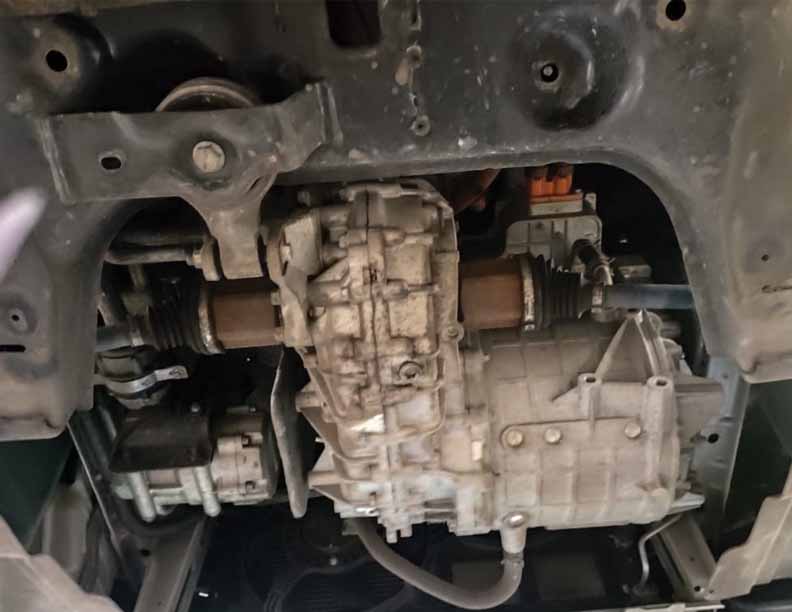
In BEVs, the electric motor is usually paired with a reduction gear or direct drive system, depending on the vehicle’s drivetrain architecture. This configuration allows the motor to deliver power directly to the wheels, eliminating the need for a conventional transmission. Additionally, modern electric motors are integrated with thermal management systems to prevent overheating and ensure stable performance over a wide range of operating conditions.
Vehicle Control Unit (VCU)
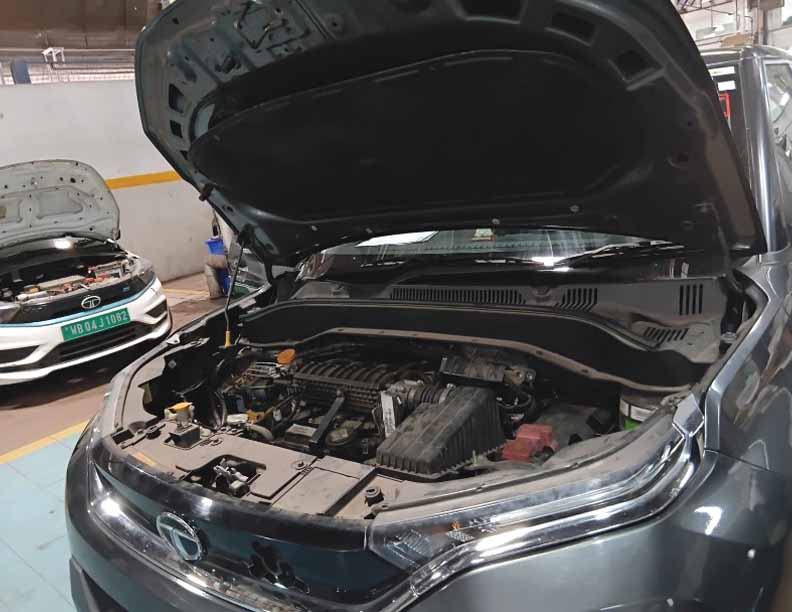
The Vehicle Control Unit (VCU) is a key component in Battery-operated Electric Vehicles (BEVs), serving as the central system that manages and coordinates various vehicle sub-systems. Acting as the vehicle’s ‘brain’, it gathers real-time data from sensors and control units to ensure safe and efficient operation.
In BEVs, the VCU oversees crucial functions such as acceleration, braking, power distribution, thermal management, and communication between systems like the Battery Management System (BMS), Motor Control Unit (MCU), and charging controller. It interprets driver commands such as throttle and brake inputs and sends corresponding instructions to control units. For example, when the accelerator is pressed, the VCU calculates the needed torque and signals the motor controller and inverter to deliver appropriate power from the battery.
The VCU also optimises energy use by managing motor output, limiting power under specific conditions, and controlling regenerative braking where available. Advanced VCUs feature diagnostics and fault detection, allowing the vehicle to identify issues, record errors, and activate safety measures or alerts for the driver.
Modern VCUs use powerful microcontrollers running Real-Time Operating Systems (RTOS) and support communication protocols like CAN (Controller Area Network) or Ethernet for rapid and reliable data exchange across vehicle systems. Electrical sensors are vital in this ecosystem, providing precise data for controlling power, temperature, speed, and safety. As technology advances, improvements in sensor accuracy, miniaturisation, and AI integration will further enhance vehicle performance and safety.
Electrical Sensors in Battery-Operated Electric Vehicles (BEVs)
Electrical sensors are fundamental to the safe and efficient operation of battery-operated electric vehicles. They provide accurate, real-time data that enables intelligent control of power flow, thermal conditions, speed, position, and safety systems. As electric vehicle technology evolves, sensor precision, miniaturisation, and integration with AI-based control systems will play a crucial role in enhancing vehicle performance, safety, and driver experience.
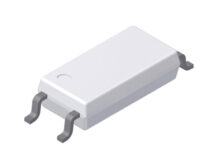
- Voltage sensors: They play a critical role in monitoring individual cell and overall battery pack voltage to support safe operation, prevent overcharging or deep discharge, and maintain battery balance. The Battery Management System (BMS) processes this data in real time to enhance battery protection and lifespan. Technologies like resistive voltage dividers safely scale high voltages, Hall Effect sensors provide contactless measurements, and isolation amplifiers ensure safe readings in high-voltage circuits.
- Current sensors: They are essential for managing battery charging/discharging, motor control, and auxiliary systems. They enable accurate energy flow monitoring, power optimisation, regenerative braking, and overload protection. Hall Effect sensors offer safe, non-contact current detection, while shunt resistors with differential amplifiers provide precise readings. Advanced sensors like fluxgate and Rogowski coils further enhance measurement accuracy for critical diagnostics and control.
- Position sensors: They are vital in motor control, especially in Permanent Magnet Synchronous Motors (PMSMs), and are also used in pedals, gear selectors, and steering systems. Hall Effect sensors detect magnetic field variations for contactless sensing, rotary encoders (optical or magnetic) provide precise angular feedback, and Linear Variable Differential Transformers (LVDTs) measure linear displacement with high precision.
- Speed sensors: They monitor the rotation of wheels, motor shafts, and transmission components. They ensure effective torque control, regenerative braking, and overall vehicle stability. Technologies include magnetic reluctance sensors for reliable field-based detection, optical encoders for high-precision speed measurement, and inductive sensors for durable, contactless operation. These sensors are integral to motor efficiency, vehicle control, and safety.
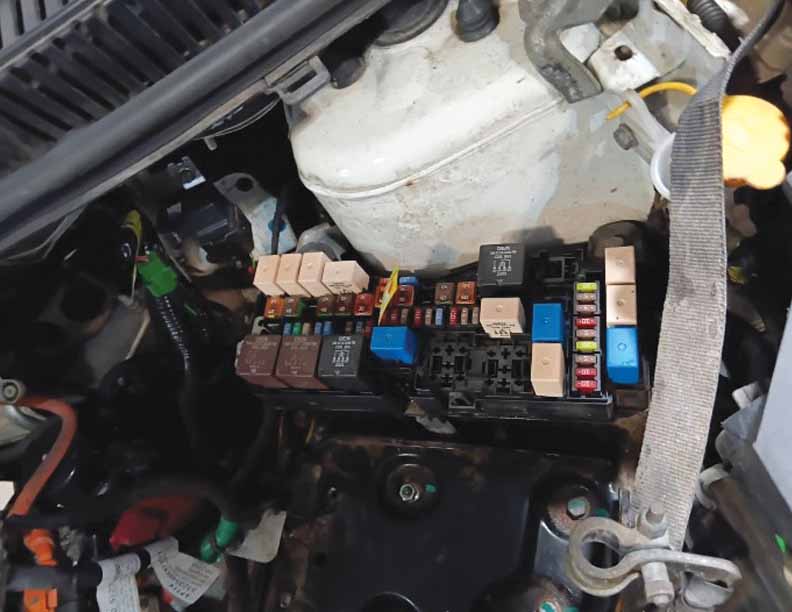
Gearbox
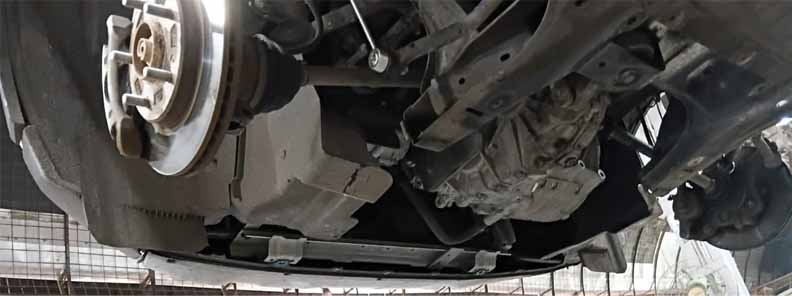
In BEVs, the conventional multi-speed gear systems used in internal combustion engine vehicles are generally replaced with simpler configurations. Most BEVs employ single-speed transmissions or direct drive mechanisms, which significantly reduce drivetrain complexity and enhance overall efficiency.
Actuators
Actuators in these vehicles serve critical functions, such as managing the electric motor’s performance and operating various mechanical components, including valve control systems.
Traction inverter
Another essential component is the traction inverter, which plays a key role in the propulsion system. It converts the DC stored in the battery into AC needed by the electric motor. The inverter also fine-tunes the frequency and voltage of the AC output to precisely control the motor’s speed and torque, ensuring smooth and efficient operation.
DC-DC converter
To support the vehicle’s low-voltage systems, a DC-DC converter steps down the high-voltage DC from the main battery to a lower voltage suitable for operating auxiliary systems like lighting, infotainment, and control modules. Additionally, the onboard charger is responsible for converting alternating current from the power grid into direct current, allowing the battery to recharge safely and efficiently. Together, these integrated components form the backbone of a BEV’s powertrain and electrical architecture, enabling reliable performance, safety, and energy efficiency.
Battery and Charging Unit
In BEVs, the battery and the charging unit form the heart of the energy storage and power delivery system. Together, they ensure that the vehicle can operate efficiently, reliably, and sustainably without relying on fossil fuels.
- Battery system: The battery in a BEV is a rechargeable energy storage unit, typically based on lithium-ion technology due to its high energy density, lightweight construction, and long-life cycle. The battery pack is made up of multiple interconnected cells, which are grouped into modules, and then assembled into a larger battery pack. This pack is usually installed under the vehicle floor to lower the centre of gravity, improving vehicle stability and handling.
Battery capacity, measured in Kilowatt-Hours (kWh), determines the amount of energy the battery can store and directly influences the vehicle’s driving range. Larger batteries offer longer ranges but also increase vehicle weight and cost. The Battery Management System (BMS) plays a vital role in monitoring the battery’s health by tracking parameters such as voltage, current, temperature, and State of Charge (SoC). It ensures safe operation by preventing overcharging, deep discharging, and overheating.
To maintain optimal performance, batteries are also supported by thermal management systems, which may use air or liquid cooling to regulate temperature during charging and discharging. Effective thermal control extends battery life and improves efficiency.

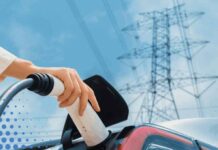
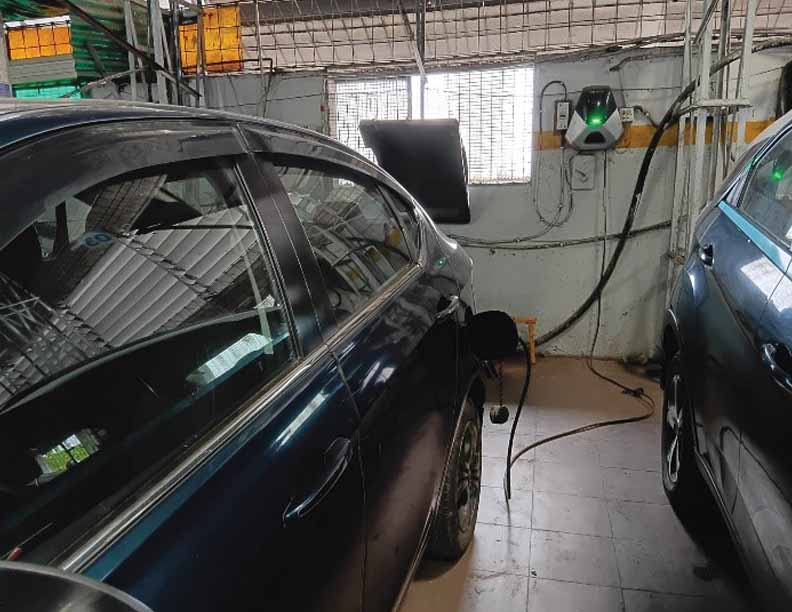
- Battery charging unit: In BEVs, AC charging is commonly used at homes and workplaces, where alternating current from the grid is converted to direct current by the vehicle’s onboard charger before being supplied to the battery. Though slower, it’s ideal for overnight or extended charging sessions. For faster energy replenishment, DC fast charging is available at public stations, delivering direct current at high voltage directly to the battery, bypassing the on-board charger and often reaching up to 80% charge in under an hour. Modern charging units also feature smart charging capabilities, such as programmable charging times, real-time energy monitoring, and dynamic power adjustment based on battery status and grid demand.
Functionality of battery-powered electric vehicles
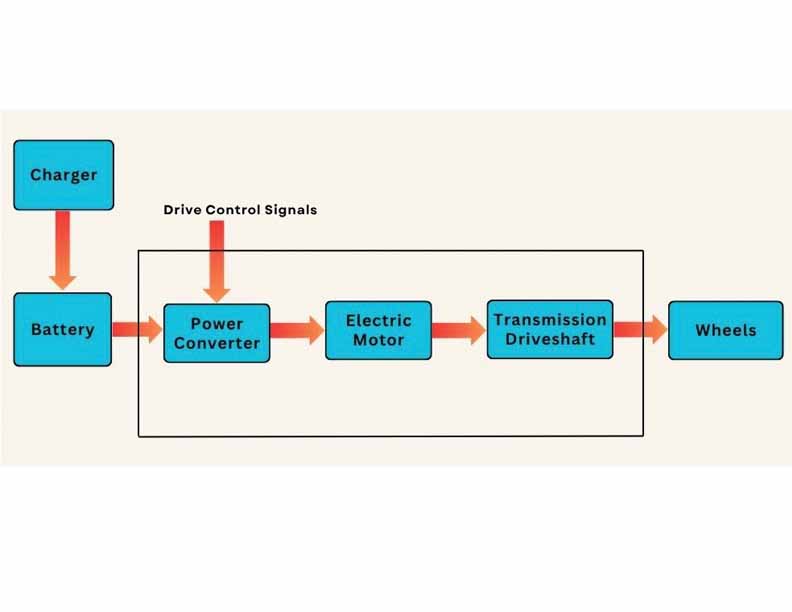
BEVs operate entirely on electrical energy stored in a rechargeable battery pack, typically utili-ing lithium-ion cells due to their high energy density, reliability, and efficiency. The charging process begins when the vehicle is connected to an external power source, such as a home charger or public charging station. AC from the grid is converted to DC by the on-board charger, which then charges the battery. Once charged, the stored energy is managed and distributed by the power electronics controller, a central control unit responsible for regulating the flow of electricity from the battery to the electric motor. This controller interprets signals from the accelerator pedal to adjust motor speed and torque, enabling responsive and energy-efficient driving.
In addition to the primary controller, BEVs may incorporate multiple control mechanisms such as Motor Control Units (MCUs) for precise motor operation, Battery Management Systems (BMS) to monitor battery health and temperature, and Vehicle Control Units (VCUs) that coordinate all electronic systems for optimised performance and safety. The electric motor itself transforms electrical energy into mechanical energy to rotate the wheels, providing instant torque and smooth acceleration. During driving, especially in acceleration and cruising phases, the controller dynamically adjusts the power delivery based on real-time inputs to ensure a seamless and efficient driving experience. These coordinated control systems work together to maintain optimal performance, protect components, and ensure the vehicle operates safely and efficiently under various driving conditions.
Major issues and solutions for battery powered electric vehicles
BEVs face several challenges that hinder their widespread adoption and efficiency. A major concern is their limited driving range, which causes range anxiety despite improvements in battery technology. To combat this, advancements in high-energy-density batteries and smarter energy management are being pursued.
Charging times also remain long with standard AC chargers, but the growing network of DC fast chargers is helping to reduce this inconvenience. High initial costs, mainly due to expensive batteries, are gradually decreasing as production scales and technology advances, supported by government incentives.
Battery degradation over time impacts performance, yet advanced Battery Management Systems (BMSs) help extend battery life by monitoring critical parameters. Limited charging infrastructure, especially in remote and urban areas, is being addressed through increased investments and smart charging technologies.
Battery efficiency also suffers in extreme temperatures, but thermal management systems maintain optimal conditions.
Environmental concerns linked to battery disposal are mitigated through improved recycling and sustainable manufacturing. Overall, while BEVs face technical and infrastructural obstacles, ongoing innovations and supportive policies are steadily enhancing their viability and adoption.

Dr. Bidrohi Bhattacharjee holds a Ph.D. in Electrical Engineering from the Indian Institute of Technology (ISM), Dhanbad, India. He earned his B.E. in Electrical Engineering and M.Tech. in Illumination Technology and Design from Jadavpur University, Kolkata, West Bengal, India. Currently he is working as HoD and Assistant Professor at the Electrical Engineering Department in Budge Budge Institute of Technology, Kolkata, India. His research interests span power electronics, electric drives, renewable energy, sustainable development, electric vehicles, and battery charging technologies. He also holds several patents in the areas of power electronics, renewable energy, and electric vehicles.