

Power generation is the critical process of converting various forms of primary energy (like chemical, kinetic or nuclear) into electrical power that can be transmitted and consumed by homes, businesses, and industries. It forms the essential foundation of modern society and is currently undergoing a massive global transformation towards sustainability.
The core principle behind nearly all utility-scale power generation is electromagnetic induction, discovered by
Michael Faraday.
Here is a breakdown of the process, the main types, and the current global trends.
- Prime Mover: A source of energy (fuel, wind, water, etc.) is used to create a rotational or kinetic force.
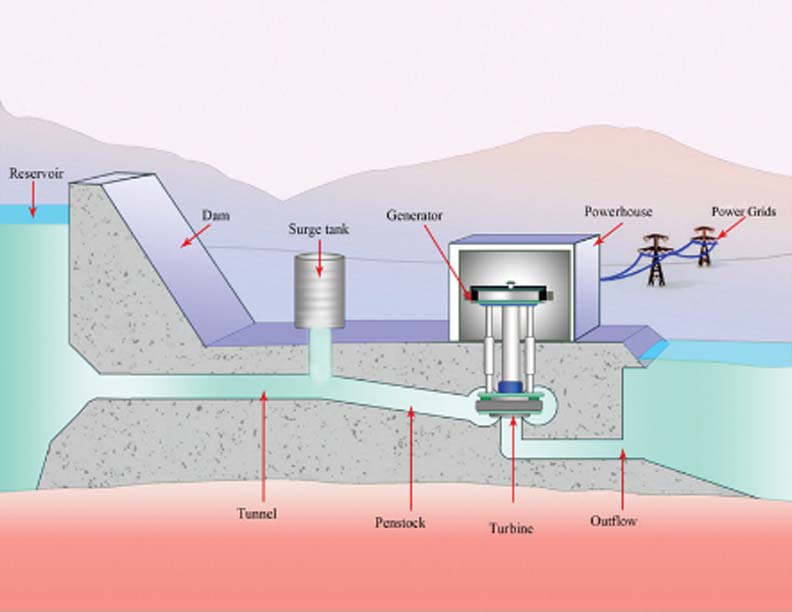
- Turbine: This force spins the blades of a turbine (steam, gas, or hydro), converting the primary energy source into mechanical energy.
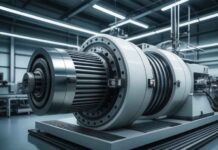
- Generator (Alternator): The turbine shaft is connected to a generator (alternator). The mechanical energy spins a rotor (electromagnet) inside a stationary coil of wire (stator), which induces an electric current—thus generating electricity.
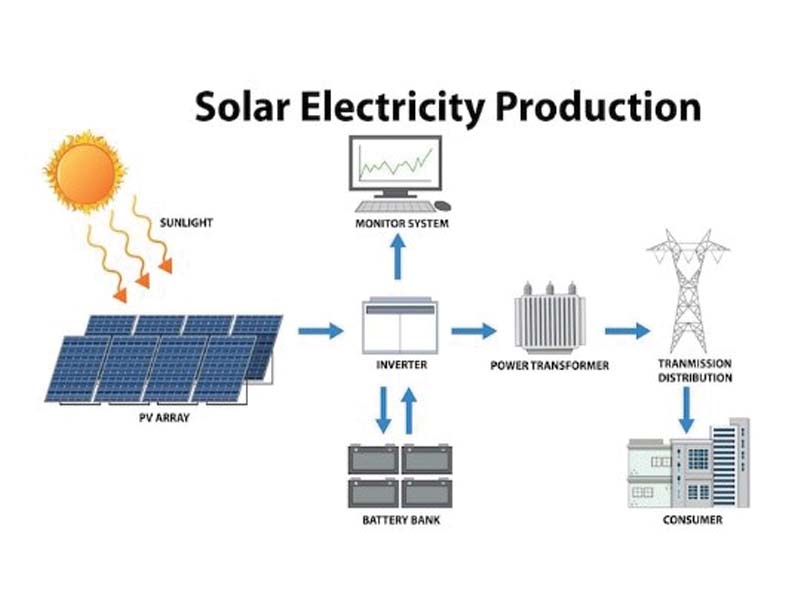
The notable exception to this turbine-driven process is Solar Photovoltaics (PV), which converts sunlight directly into electricity using the photoelectric effect in silicon cells, with no moving parts.
Major Types of Power Generation
Power generation sources are broadly categorised into Fossil Fuels (conventional), Nuclear, and Renewable Energy Sources (RES).
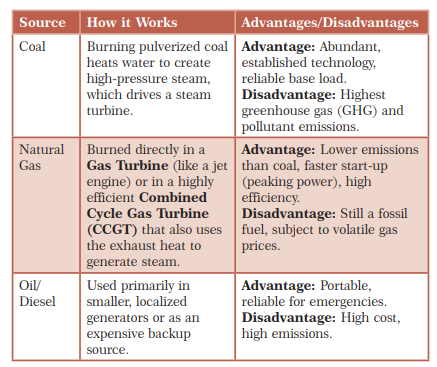
Thermal Power (Fossil Fuels)
This is the traditional backbone of global power systems, providing base load power – reliable, continuous energy.
Nuclear Power
Nuclear power plants use nuclear fission (splitting of uranium atoms) to create heat, which boils water to produce steam, driving a turbine.
- Advantage: Zero-carbon power during operation, extremely high energy density (reliable base load), low fuel requirement.

- Disadvantage: High initial capital cost, long construction times, safe management of nuclear waste.
Renewable Energy Sources (RES)

These are naturally replenished sources that are the key to the global energy transition.

Current Global Trends (2025)
The power generation landscape is evolving rapidly, driven by climate goals and technological breakthroughs:
- Solar is Leading the Charge: Solar PV is driving almost 80% of new global renewable capacity. For the first time, renewable energy sources (solar, wind, hydro) are now generating more electricity globally than coal.
- The Rise of Gas in Developing Economies: While developed nations phase down coal, many developing economies are increasingly relying on natural gas as a ‘bridge fuel’ to transition away from coal due to its lower emissions and flexible nature.
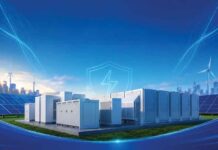
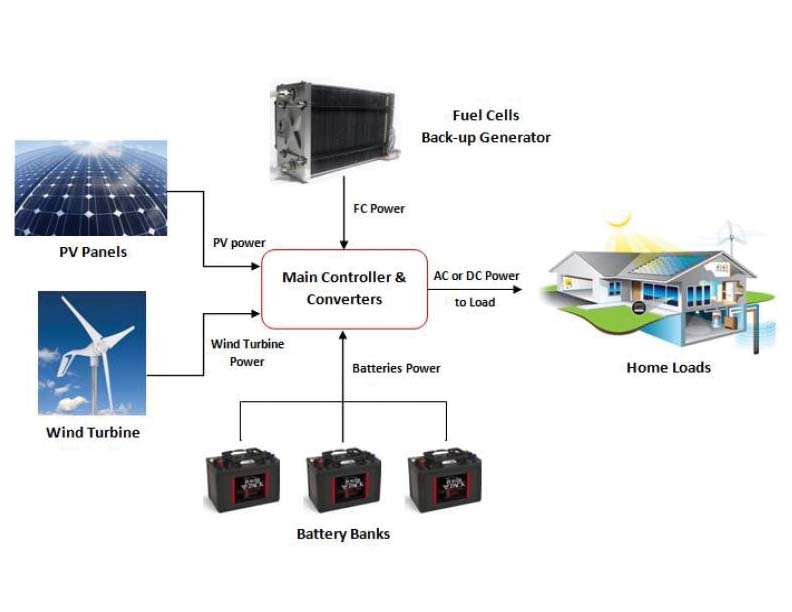
- The Storage Imperative: The intermittency of wind and solar makes Energy Storage Systems (BESS) critical. Massive investment in batteries is necessary to ‘firm up’ renewable power and ensure grid stability.
- Decarbonisation of Heavy Industry: Focus is shifting to technologies like Green Hydrogen, which is produced using renewable electricity and can be used to decarbonise hard-to-abate sectors like shipping, steel, and chemicals.
- Digitalization: Smart grids, advanced sensors, and AI are being deployed to predict renewable energy output, manage two-way power flow (from rooftop solar), and enhance overall grid efficiency and stability.
A Transformation in India’s Electricity Generation Landscape
India’s power sector is undergoing one of the most dynamic and critical transformations in the world. As the nation sustains high economic growth and strives for universal energy access, it is simultaneously embarking on a monumental shift from fossil fuel dependence to an energy mix dominated by renewables. This dual mandate – meeting massive energy demand while pursuing decarbonization – defines the current state and future trajectory of power generation in India.
The Shifting Energy Mix: A Factual Overview
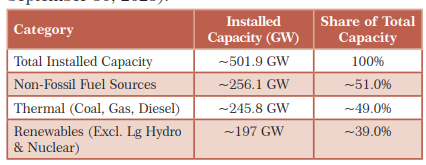
India’s total installed electricity generation capacity has crossed a significant milestone, reaching approximately 501.9 GW (as of November 2025). The most remarkable feature of this capacity is the balance it now holds between conventional and non-fossil fuel sources, fulfilling a national commitment ahead of time.
Non-Fossil Fuel Dominance Achieved
In a historic achievement, the capacity from non-fossil fuel sources (including Renewables, Large Hydro and Nuclear) has surpassed 50% of the total installed base (source – Ministry of Power in a PIB release in October 2025, utilizing the capacity data available up to September 30, 2025).
The Renewable Energy Surge
Renewable Energy Sources (RES) are the primary engine of this transition, driven by aggressive national targets to achieve 500 GW of non-fossil fuel capacity by 2030. India ranks among the top countries globally for installed wind and solar power capacity.
- Solar Power: With a cumulative installed capacity exceeding 127 GW, solar is the fastest-growing segment, benefiting from low technology costs and the abundance of high solar irradiation. Flagship schemes like the PM Surya Ghar: Muft Bijli Yojana are rapidly pushing distributed generation (rooftop solar).
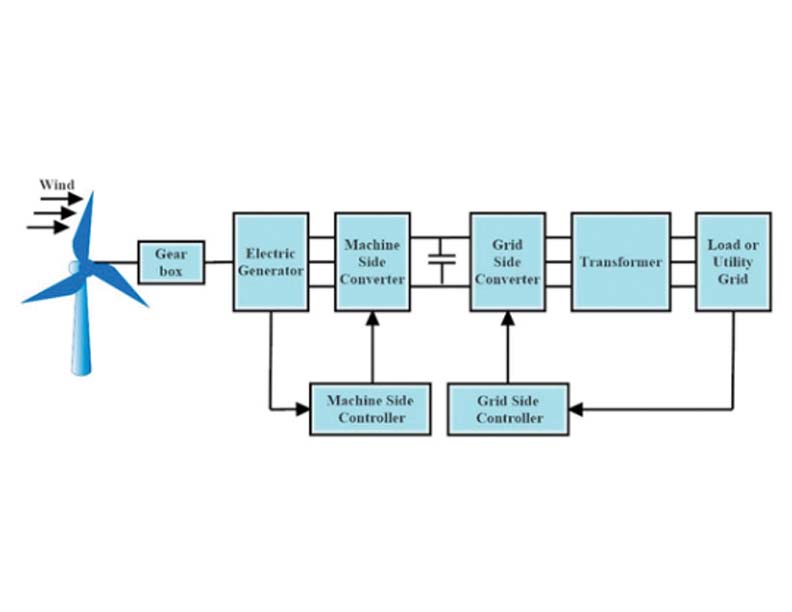
- Wind Power: Wind capacity is robust at over 53 GW, with a focus on high-potential states and emerging interest in offshore wind projects.
- Large Hydropower (Hydro): Contributing approximately 50 GW, large hydro projects are invaluable for providing clean energy and crucial peaking power capabilities, which are essential for balancing the grid when solar and wind generation dip.
The Conventional Backbone (Thermal Power)
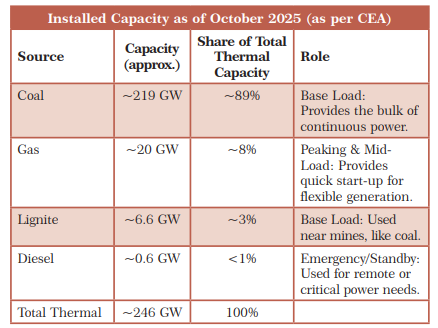
Despite the clean energy push, coal-fired power plants (~219 GW) remain indispensable for providing base load power. This continuous, stable power generation is necessary to meet the high and constant demand of industries and ensure grid stability, especially at night. India is focused on modernising this segment by retiring older units and commissioning high-efficiency Supercritical and Ultra-Supercritical (USC) plants to reduce carbon intensity.
Thermal generation remains the largest single contributor to India’s electricity supply, serving as the essential base load that ensures continuous and stable power. It accounted for approximately 49% of the country’s total installed capacity and around 70-74% of the total generation as of October 2025.
Components and Capacity
Thermal power generation involves converting heat energy from a fuel source into mechanical energy to drive a turbine, which then spins a generator. In India, this category is dominated by coal.
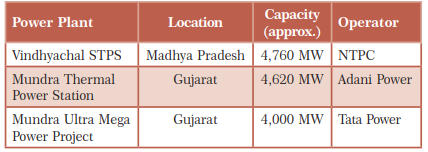
Major Coal-Fired Power Plants
The thermal sector is characterised by large Super and Ultra Mega Power Projects (UMPPs), mostly operated by the state-owned NTPC Limited (National Thermal Power Corporation) and large private players like Adani Power and Tata Power.
Key Trends and Modernisation
The Indian thermal power sector is undergoing a transformation driven by efficiency and environmental necessity.
Focus on Efficiency and Cleaner Coal
India is prioritising the construction of highly efficient plants to get more power from the same amount of coal while lowering emissions.
- Supercritical (SC) and Ultra-Supercritical (USC) Technology: New projects and replacements for older units increasingly utilise USC technology. These plants operate at higher temperatures and pressures, achieving greater thermal efficiency and reducing carbon dioxide (CO2) emissions per unit of electricity generated compared to conventional sub-critical plants.
- Expansion Pipeline: Despite the renewable push, the Ministry of Power (MoP) plans to establish significant new coal and lignite-based capacity to meet peak demand, driven by the slower-than-expected commissioning of new thermal projects in recent years.
Environmental Compliance
Strict environmental norms are forcing Thermal Power Plants (TPPs) to adopt emission control technology.
- Flue Gas Desulphurisation (FGD): Installation of FGD units is mandatory for older TPPs to reduce sulfur dioxide (SO2) emissions. While implementation has faced delays, it is a major ongoing investment for the sector.
Flexibilisation of Thermal Plants
As more intermittent renewable energy (solar and wind) is added to the grid, TPPs are being forced to change their operational role.
- Cycling: TPPs must now operate more flexibly, frequently reducing or increasing their output (cycling) to balance the grid when solar or wind generation fluctuates. This requirement puts mechanical stress on the equipment and increases operational costs.
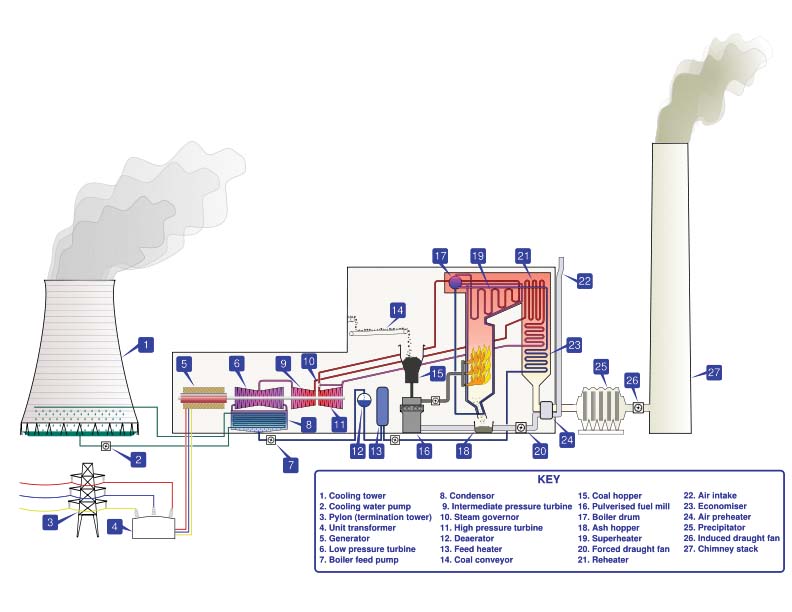
- Gas-Based Generation: Gas-based TPPs are increasingly brought online quickly during peak demand hours or when renewable generation dips, highlighting their critical role as flexible backup.
- Challenges in Thermal: The reliance on thermal power presents significant challenges for India’s long-term energy strategy.
- Coal Supply and Logistics: Ensuring adequate coal stock, especially during high-demand periods like the summer, remains a recurrent challenge. Efficient logistics and transportation are critical to avoid shortages.
- Financial Stress: The aging fleet of TPPs requires significant capital for modernisation and environmental compliance (like FGD installation), straining the financial health of generation companies.
- Displacement Risk: In the long run, thermal plants face the risk of economic dispatch down (being run less frequently) as zero-cost renewable energy is prioritised on the grid, threatening the viability of older, less-efficient assets.
- Gas and Nuclear: Natural Gas (~20 GW) is used primarily for flexible generation and peaking. Nuclear power (~8.8 GW) is seeing moderate growth, with capacity having increased significantly since 2014 as the government seeks a clean, reliable base load alternative to coal.
Policy and Regulatory Catalysts
The pace of India’s energy transition is largely dictated by proactive government policy and strategic regulatory shifts.
- COP26 Targets: By surpassing the 50% non-fossil capacity goal well ahead of the 2030 deadline, India has demonstrated its commitment to its Nationally Determined Contributions (NDCs).
- National Green Hydrogen Mission (NGHM): This mission is a major strategic pillar, aiming to position India as a global hub for producing and exporting Green Hydrogen. This technology is crucial for decarbonising hard-to-abate sectors (like steel and fertilizer) and offers a long-term, scalable solution for energy storage.
- Electricity Act, 2003: This foundational legislation introduced competition, protected consumer interests, and enabled market mechanisms like Open Access, allowing large consumers to purchase power directly from generators, bypassing distribution utilities.
Persistent Challenges in the Power Sector
The sector’s growth is hampered by critical financial and technical hurdles that require sustained policy intervention.
Financial Health of Distribution Companies (DISCOMS)
The biggest challenge facing India’s power ecosystem lies in the crippling financial losses of the state-owned Distribution Companies (DISCOMS).
- Aggregate Technical and Commercial (AT&C) Losses: These losses – caused by power theft, technical inefficiencies in old lines, poor billing, and inadequate collection efficiency – drain the sector’s financial health.
- Regulatory Assets (RAs) and Populist Tariffs: Discoms often incur losses due to selling power below the cost of procurement, compounded by regulatory delays in approving tariff hikes or recovering outstanding subsidies (Regulatory Assets). This cycle prevents investment in crucial infrastructure upgrades.
Grid Integration and Intermittency
Integrating large volumes of intermittent renewable energy (which generates power only when the sun shines or the wind blows) into the national grid creates technical difficulties.
- Need for Storage: To manage this intermittency, massive investment in Energy Storage Solutions is required. Projects involving Battery Energy Storage Systems (BESS) and new Pumped Hydro Storage facilities are being fast-tracked to ‘firm up’ renewable power and maintain grid stability.
- Transmission Bottlenecks: While the Green Energy Corridor project is expanding the transmission network to evacuate renewable power from remote areas to load centers, continued investment is needed to ensure seamless flow and prevent congestion.
The Future: Digitalisation & Decarbonisation
The future of power generation in India will be defined by technological adoption, and a relentless pursuit of the 2070 Net-Zero goal.
- Small Modular Reactors (SMRs): Given the urgent need for non-coal base load power, the government is looking at amending the Atomic Energy Act to attract private and foreign investment into the civil nuclear power sector, particularly for new and highly flexible technologies like SMRs.
- Smart Grid and Digitalisation: The nationwide rollout of smart meters and advanced grid management systems is essential to reduce AT&C losses, enable two-way communication with rooftop solar producers, and efficiently manage variable power flows.
- Electric Vehicle (EV) Load Management: The rise of electric mobility will place a significant new load on the grid. Future planning requires integrating charging infrastructure with smart grids to manage this demand and utilise Vehicle-to-Grid (V2G) technology.
The Indian power sector stands at a pivotal point, balancing unprecedented demand growth with one of the most ambitious clean energy transitions globally. Success will hinge on resolving the financial crisis of the distribution segment while continuing the aggressive expansion and smart integration of renewable and nuclear capacity.

Reshmi Goppi is an Electrical Engineer with PGDM (Executive) in Operations Management from IMT CDL, Ghaziabad. She has 18 years of working experience in Power Sector in large scale Substations and Transmission projects – domestic as well as international. Being a career counsellor, writer and guest speaker, she is connected to many forums.