
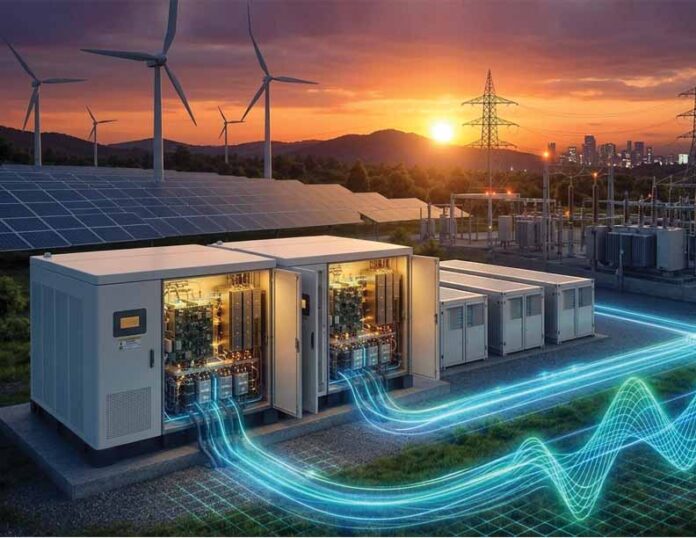
Electricity powers nearly every aspect of modern life, from homes and hospitals to factories, offices, and data centres. As societies become increasingly dependent on electrical systems, uninterrupted power has become essential for productivity, safety, and comfort. However, power outages caused by natural disasters, grid failures, equipment malfunctions, or maintenance activities can disrupt operations and lead to significant financial losses. To address these challenges, power generator sets, commonly known as GENSETS, play a vital role in ensuring a continuous and dependable supply of electricity.
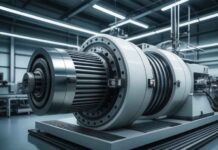
A power genset is a self-contained electromechanical system designed to generate electrical energy through the conversion of chemical energy stored in fuel into usable electrical power. The system primarily comprises an Internal Combustion (IC) engine, an alternator (synchronous generator), a fuel supply system, cooling and lubrication systems, voltage regulation equipment, control panels, protection devices, and a supporting structural framework. The internal combustion engine serves as the prime mover, converting the chemical energy of fuels such as diesel, natural gas, gasoline, biogas, or heavy fuel oil into rotational mechanical energy through controlled combustion processes. This mechanical energy is transmitted directly to the alternator via a coupled shaft arrangement, enabling the production of electrical power through the principle of electromagnetic induction.
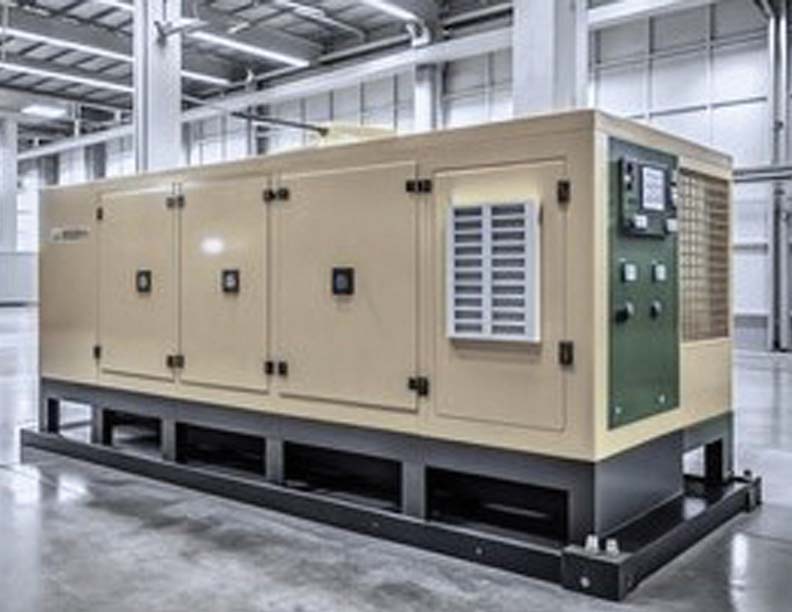
The performance of a power genset is evaluated using parameters such as fuel efficiency, load acceptance capability, voltage regulation, frequency stability, transient response characteristics, power factor, emissions compliance, and overall system reliability. Recent advancements in generator technology have led to the integration of intelligent monitoring systems, remote diagnostics, predictive maintenance algorithms, and hybrid configurations that combine conventional gensets with renewable energy sources and battery energy storage systems. These technological developments have significantly improved operational efficiency, reduced fuel consumption, minimized environmental impact, and enhanced the reliability of power generation systems across a wide range of industrial, commercial, and residential applications.
Working Principle of a Genset
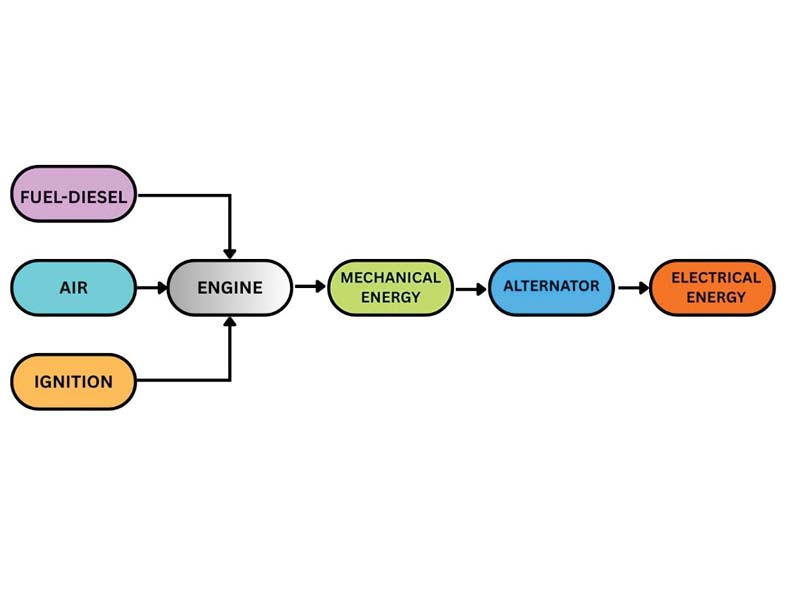
A genset serves as a reliable source of electrical power by converting fuel into usable electricity through a highly efficient energy conversion process. The system begins operation when fuel is supplied to the engine, where combustion generates mechanical power. This mechanical energy drives the alternator, which converts the rotational force into electrical energy using electromagnetic induction. The generated power is then supplied to connected equipment, machinery, or facilities to ensure uninterrupted operation. Advanced control systems continuously monitor and regulate key parameters such as voltage, frequency, engine speed, and load demand, ensuring consistent performance and power quality. By combining robust engine technology with efficient power generation capabilities, gensets provide dependable electricity for industrial, commercial, residential, and critical infrastructure applications, particularly during grid failures or in locations where utility power is unavailable.
Core Components of a Genset
An industrial-grade genset is not merely a collection of standalone parts, but a highly engineered, synchronized system of mechanical, electrical, and electronic subsystems. When a power failure occurs, these components must interface seamlessly within milliseconds to deliver stable, grid quality electricity.
In the subsequent paragraphs, there is an in-depth, technical analysis of the core subsystems that comprise a modern industrial genset.
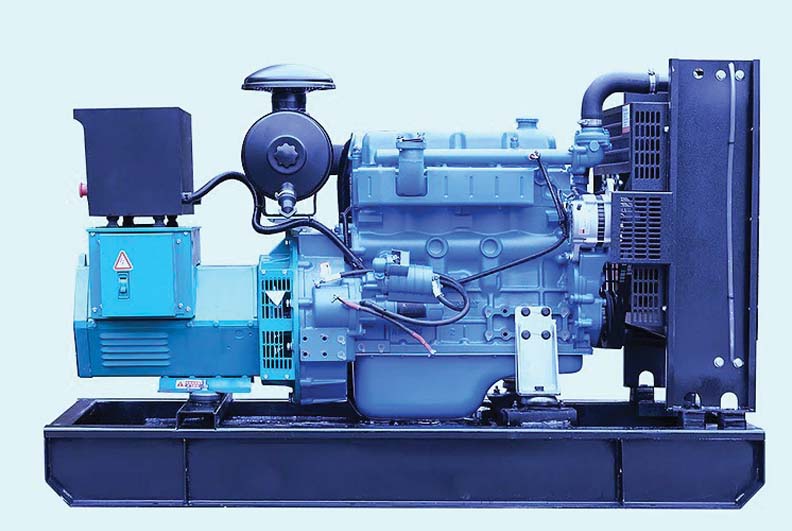
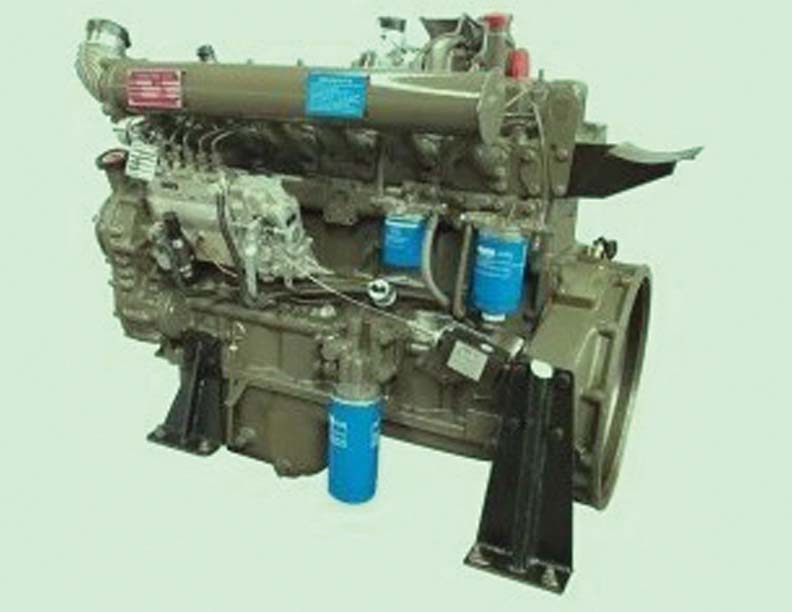
The Prime Mover: The internal combustion engine, commonly known as the prime mover, is the primary component of a genset that converts fuel into the mechanical energy needed for electricity generation. Built for reliable and continuous operation, modern genset engines are typically heavy-duty, multi-cylinder systems that provide high torque and consistent performance under varying load conditions.
Technologies such as turbocharging and after cooling enhance combustion efficiency, boost power output, and improve fuel economy. To maintain stable voltage and frequency, the engine operates at a controlled speed through advanced electronic governing systems that automatically adjust fuel supply according to load demands. As the source of mechanical power, the engine plays a crucial role in determining the overall performance, efficiency, and dependability of the generator system.
The Alternator (Synchronous Generator): The alternator is the key component of a genset that transforms the engine’s mechanical energy into usable AC electrical energy. It functions on the principle of electromagnetic induction, where the rotating magnetic field of the rotor interacts with stationary stator windings to generate electrical power.
Modern alternators are designed to deliver high efficiency, stable voltage, and dependable performance under varying load conditions. Most advanced units use brushless excitation technology, which minimizes wear, reduces maintenance needs, and enhances reliability.
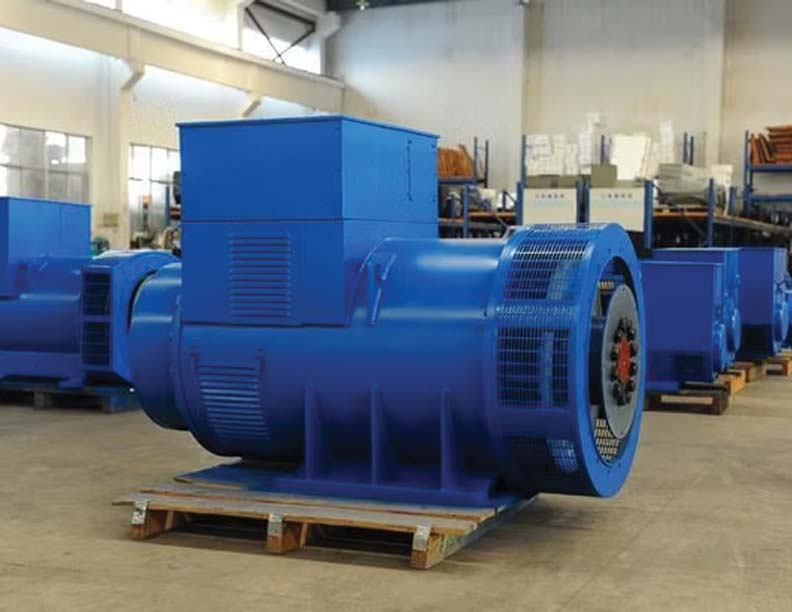
In high-performance generator systems, Permanent Magnet Generator technology further improves voltage regulation and supports stable operation during sudden load fluctuations or electrical faults. As a result, the alternator is essential for ensuring a continuous and reliable power supply in industrial, commercial, and critical applications.
Automatic Voltage Regulator: The Automatic Voltage Regulator (AVR) is a critical electronic component in a genset that ensures a stable and consistent voltage output regardless of changing load conditions. It continuously monitors the generator’s output voltage and automatically adjusts the excitation current supplied to the alternator whenever voltage fluctuations occur.
During sudden load increases, such as the startup of motors or heavy equipment, the AVR responds instantly to maintain the desired voltage level (typically between ± 0.5% and ±1.0% ) and prevent power disturbances. By delivering precise voltage control, modern digital AVRs help protect sensitive electrical equipment, improve power quality, and enhance the overall reliability and performance of the generator system. This capability makes the AVR essential for applications where uninterrupted and stable power is required.
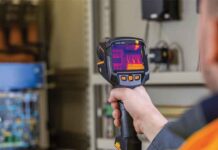
Digital Control Panel: The digital control panel functions as the central control and monitoring unit of a genset, ensuring safe, efficient, and automated operation. Using advanced microprocessor technology, it continuously monitors essential engine and electrical parameters such as oil pressure, coolant temperature, fuel level, battery condition, voltage, current, frequency, and power output.
The system quickly identifies abnormal conditions and can trigger alarms or automatic shutdowns to prevent equipment damage. Modern control panels also support automatic start-stop operations, load control, and seamless integration with Automatic Transfer Switches for reliable backup power management. Additionally, remote monitoring and communication features provide real-time access to performance data, diagnostics, and maintenance information, improving reliability and simplifying generator management across various applications.
Different Types of Gensets
Gensets are available in various types to meet different power generation requirements across residential, commercial, and industrial sectors, therefore, Gensets are classified into different categories.
Diesel Gensets
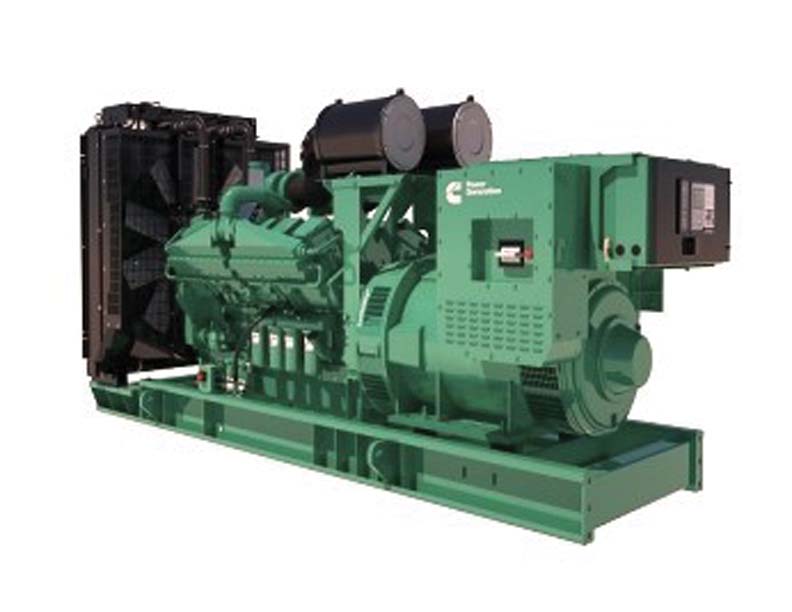
Diesel gensets are among the most commonly used power generation systems due to their durability, fuel efficiency, and ability to deliver high power output. These generators operate using compression-ignition engines, where air is compressed to a high temperature before diesel fuel is injected, causing automatic combustion.
Their robust design enables reliable operation under heavy loads and demanding environmental conditions. Diesel generators are widely used in hospitals, manufacturing facilities, data centres, airports, and construction sites where uninterrupted power is critical for safety and productivity.
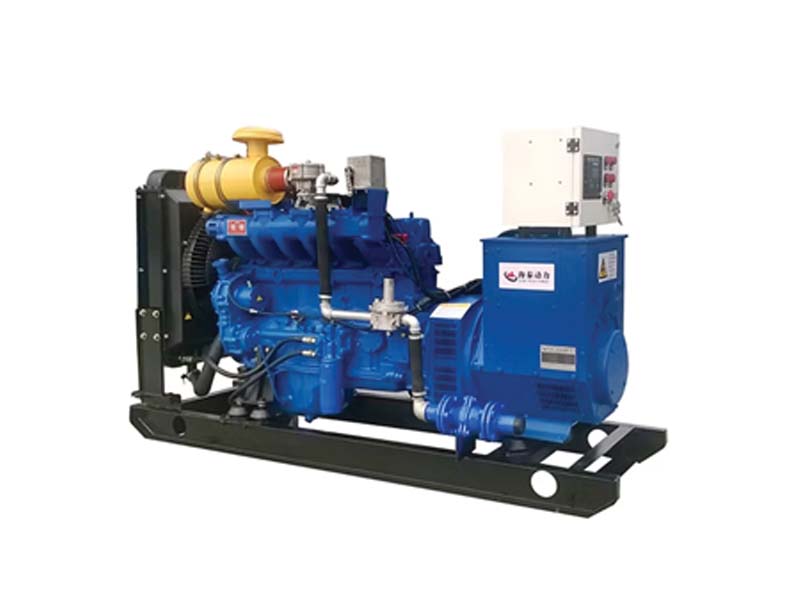
Natural Gas Gensets
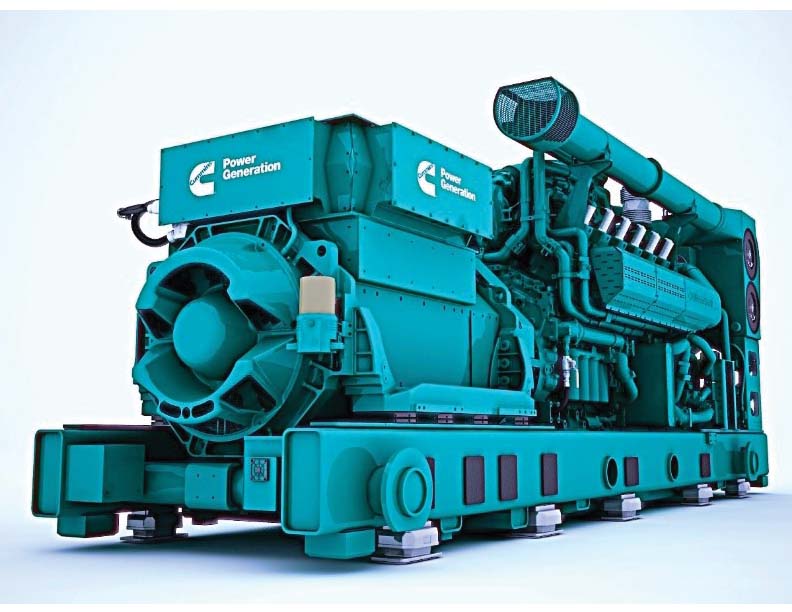
Natural gas gensets generate electricity using spark-ignition engines fuelled by natural gas supplied through pipelines or storage systems. The gaseous fuel burns more cleanly than conventional liquid fuels, resulting in lower emissions and reduced environmental impact.
Since they do not require large on-site fuel storage tanks, these systems simplify fuel management and reduce maintenance concerns. Natural gas generators are commonly employed in commercial buildings, industrial facilities, and utility applications where clean, reliable, and cost-effective power generation is required.
Biogas Gensets
Biogas gensets utilize methane-rich gas produced from the decomposition of organic materials such as agricultural waste, landfill waste, and wastewater sludge. Before use, the gas is treated to remove impurities that could damage engine components.
These generators convert renewable fuel into useful electrical and thermal energy, making them an environmentally sustainable power solution. Biogas gensets are increasingly adopted in waste treatment plants, farms, and renewable energy projects to support energy recovery and reduce greenhouse gas emissions.
Gasoline Gensets
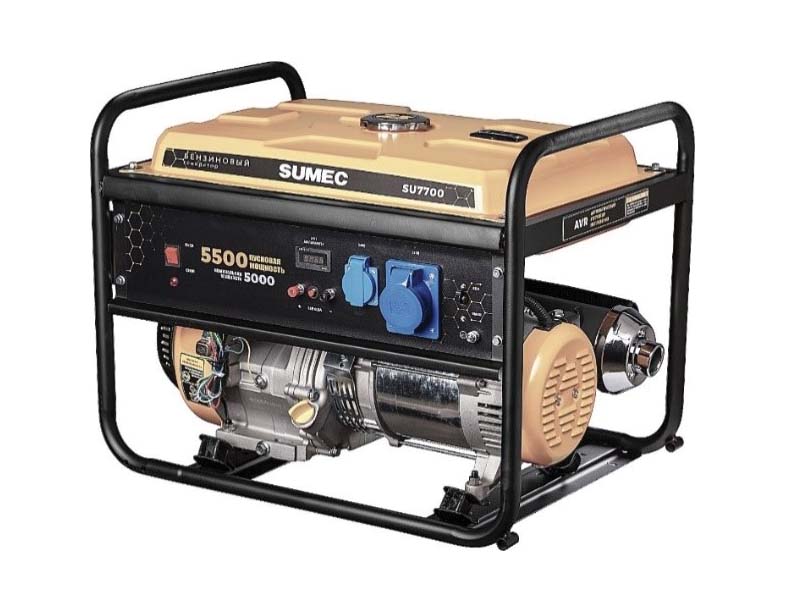
Gasoline gensets are compact, lightweight generators designed primarily for residential, recreational, and small-scale commercial applications. They use spark-ignition engines powered by readily available gasoline fuel and are generally easy to operate and transport.
Due to their lower initial cost and portable design, gasoline generators are widely used for temporary power needs such as home backup, outdoor events, camping, and small construction projects. While they are not intended for continuous heavy-duty operation, they provide a convenient and economical source of short-term electrical power.
Future Trends in Power Gensets
The power generation sector is evolving rapidly as industries seek higher efficiency, lower emissions, greater reliability, and improved integration with modern energy networks.
Advances in digital technologies, renewable energy systems, and alternative fuels are transforming conventional generator sets into intelligent, environmentally sustainable power solutions capable of meeting future energy demands.
Smart Generators and IoT Integration: Modern generator sets are increasingly incorporating Internet of Things (IoT) technology to enhance monitoring, control, and operational efficiency. Integrated sensors continuously track critical parameters such as fuel level, engine temperature, oil pressure, battery condition, power output, and vibration levels.
This data is transmitted to cloud-based platforms, enabling operators to monitor generator performance remotely in real time. IoT-enabled systems also support predictive maintenance by identifying potential issues before they lead to equipment failures, thereby improving reliability and reducing maintenance costs.
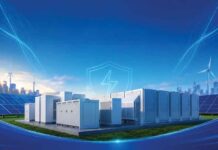
Hybrid Power Generation Systems: Hybrid power systems combine conventional gensets with renewable energy sources such as solar panels, wind turbines, and battery energy storage systems. Intelligent energy management controllers optimize the use of available power sources to meet demand efficiently. By reducing generator operating hours and fuel consumption, hybrid systems lower operating costs and minimize environmental impact. These solutions are particularly valuable in remote locations, industrial facilities, and telecommunications infrastructure.
Hydrogen-Powered Generator Technologies: Hydrogen is emerging as a promising alternative fuel for future power generation systems due to its low-carbon characteristics.
Advanced gensets are being developed to operate on hydrogen or hydrogen-blended fuels, helping reduce greenhouse gas emissions while maintaining reliable power output. As hydrogen production, storage, and distribution technologies continue to evolve, hydrogen-powered generators are expected to play an important role in sustainable backup and distributed energy applications.
Artificial Intelligence and Advanced Energy Management: Artificial intelligence (AI) is transforming the way generator systems are managed and optimized. AI-driven platforms analyse operational data to improve fuel efficiency, predict load demands, and optimize generator performance.
In installations with multiple generators, intelligent control systems can automatically balance loads and coordinate operations, ensuring maximum efficiency while minimizing fuel consumption and equipment wear. These technologies contribute to improved reliability and lower operating expenses.
Grid-Interactive and Microgrid Applications: Modern gensets are increasingly being integrated into micro grids and smart power networks. Advanced synchronization and control technologies enable generators to work alongside utility grids, renewable energy systems, and battery storage solutions.
During peak demand periods or grid disturbances, gensets can provide supplemental power and enhance energy security. This capability supports greater energy independence and resilience for industrial facilities, commercial buildings, and remote communities.
Sustainable and Low-Emission Power Generation: Environmental regulations are driving the development of cleaner generator technologies. Modern Gensets feature advanced combustion systems, electronic fuel controls, and exhaust treatment technologies that significantly reduce harmful emissions. Many systems are also compatible with renewable fuels such as biodiesel, renewable natural gas, and synthetic fuels, helping organizations meet sustainability goals while maintaining dependable power generation.
Strengths of Modern Power Gensets
Power gensets play a vital role in ensuring a reliable power supply when utility electricity is unavailable. Their ability to provide immediate backup power helps keep critical equipment and operations running without interruption.
Gensets are highly flexible and can be used in residential, commercial, industrial, and remote applications. Available in a wide range of capacities, they can be selected or expanded to meet changing power demands. Known for their durability and dependable performance.
Gensets offer an independent source of electricity that supports business continuity, operational safety, and productivity. These advantages make them a widely trusted solution for dependable power generation across various sectors.

Dr. Bidrohi Bhattacharjee holds a Ph.D. in Electrical Engineering from the Indian Institute of Technology (ISM), Dhanbad, India. He earned his B.E. in Electrical Engineering and M.Tech. in Illumination Technology and Design from Jadavpur University, Kolkata, West Bengal, India. Currently he is working as HoD and Assistant Professor at the Electrical Engineering Department in Budge Budge Institute of Technology, Kolkata, India. His research interests span power electronics, electric drives, renewable energy, sustainable development, electric vehicles, and battery charging technologies. He also holds several patents in the areas of power electronics, renewable energy, and electric vehicles.