
Experiences from Germany, Spain, and Australia provide valuable insights into managing two-way power flow at scale. These lessons are highly relevant for India, where rooftop solar, distributed RE, and emerging concepts such as floating solar are accelerating grid transformation.
International Experience with Bidirectional Power Flow
Germany: Advanced Grid with High Renewable Penetration
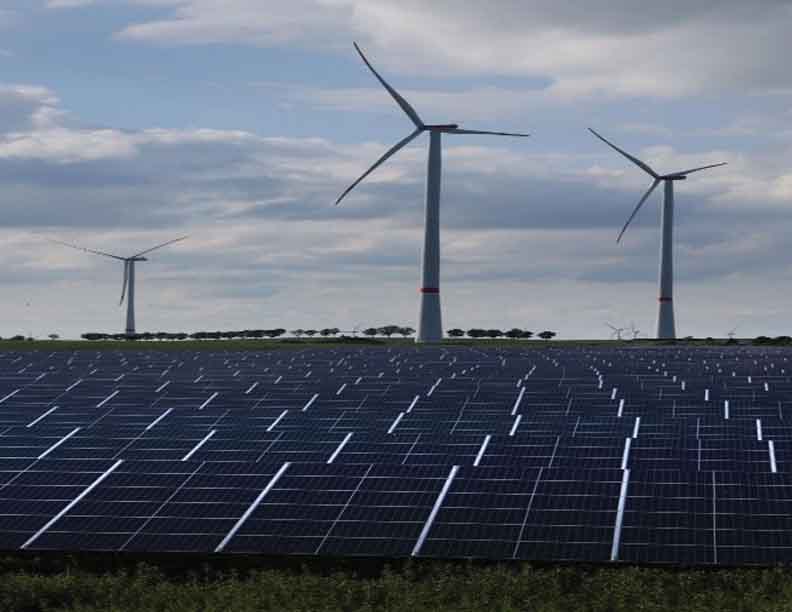
Germany represents a mature case of RE integration, with high penetration of both wind and solar. The country frequently experiences reverse power flows from distribution to transmission networks, particularly during periods of high generation and low demand.
Key challenges:
- Voltage rise in low-voltage feeders
- Reactive power imbalances
- Increased coordination complexity between TSOs and DSOs
Mitigation measures:
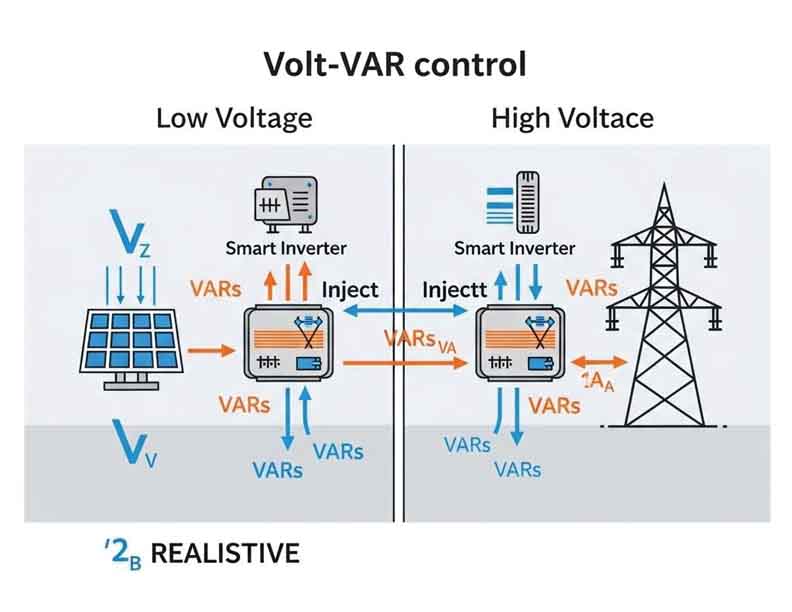
- Mandatory smart inverter standards (Volt/VAR control)
- Strong grid codes for distributed energy resources (DERs)
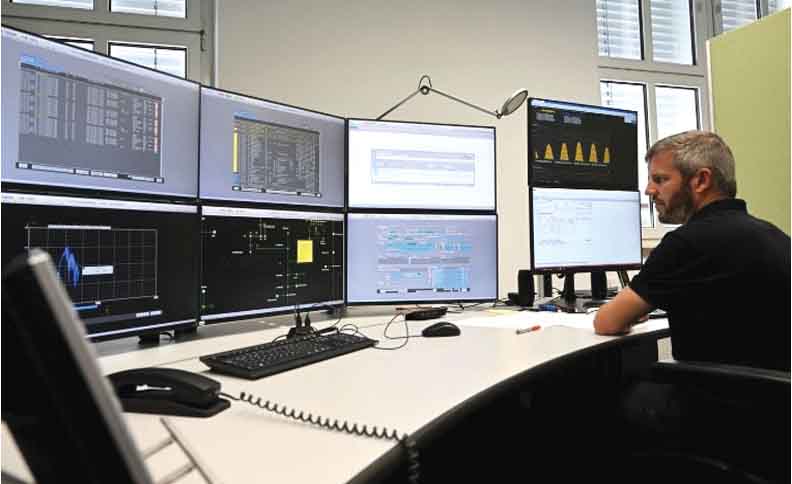
- Deployment of advanced metering and digital grid monitoring systems
- Curtailment and dispatch mechanisms
Inference: Germany demonstrates that bidirectional flows can be managed effectively, provided there is early investment in grid intelligence and regulatory frameworks.
Spain: Rapid Solar Expansion and Flexibility Constraints
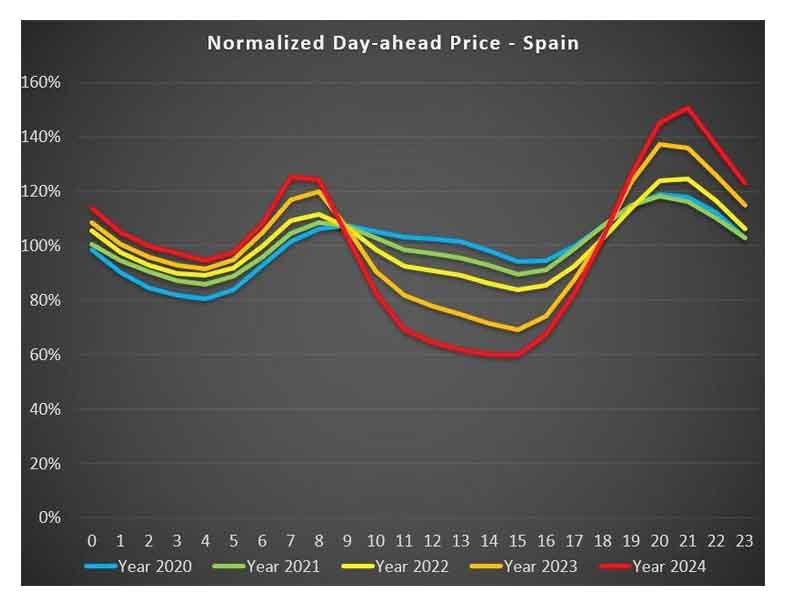
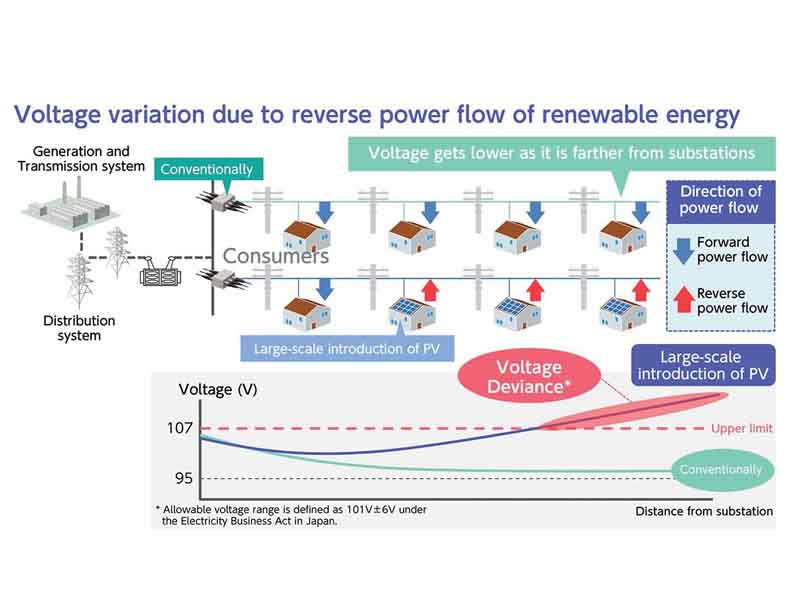
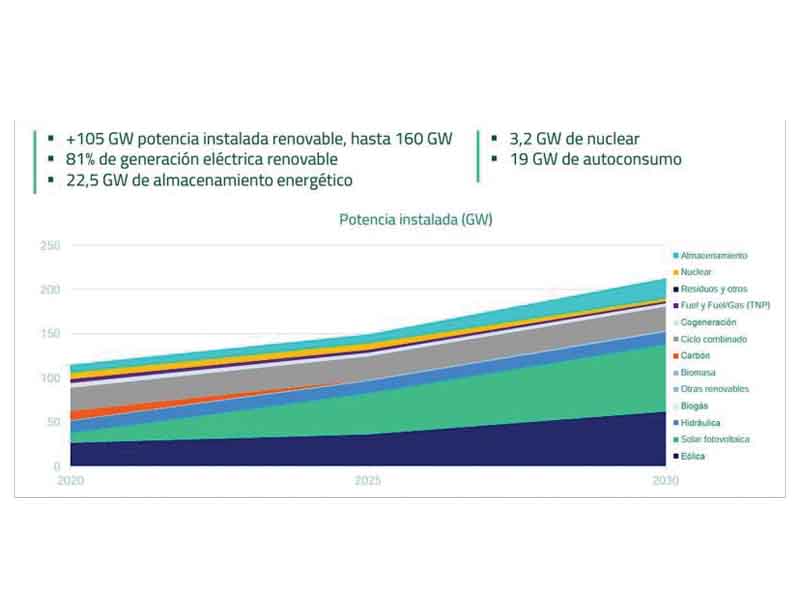
Following policy reforms, Spain has experienced a sharp increase in solar capacity, leading to localized reverse power flows and system-wide flexibility issues.
Key challenges:
- Solar curtailment during low demand periods
- ‘Duck curve’ leading to steep evening ramp requirements
- Grid congestion in renewable-rich regions
Mitigation measures:
- Development of ancillary service markets
- Investment in energy storage (battery and pumped hydro)
- Strengthening cross-border interconnections
- Demand response and dynamic pricing
Inference: Spain highlights that without adequate storage and flexibility mechanisms, two-way flows lead to economic inefficiencies and renewable curtailment.
Australia: Extreme Rooftop Solar and Distribution Stress
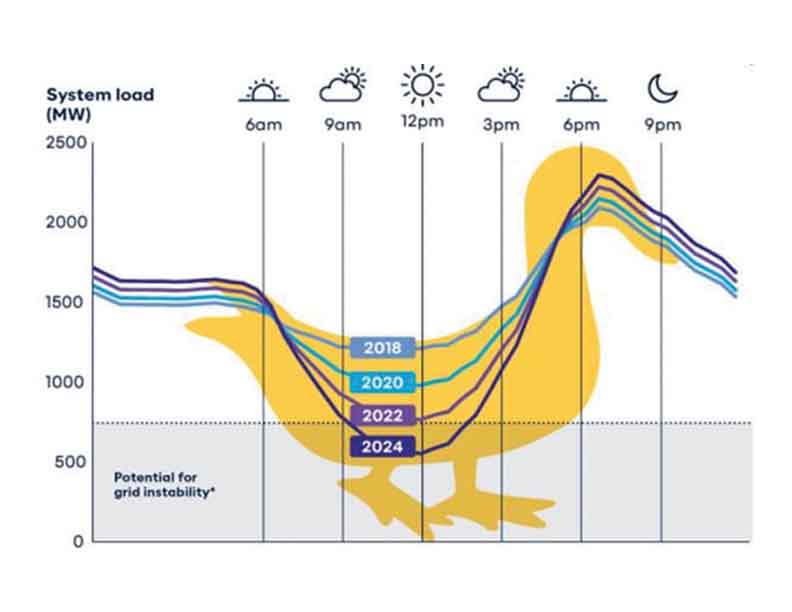
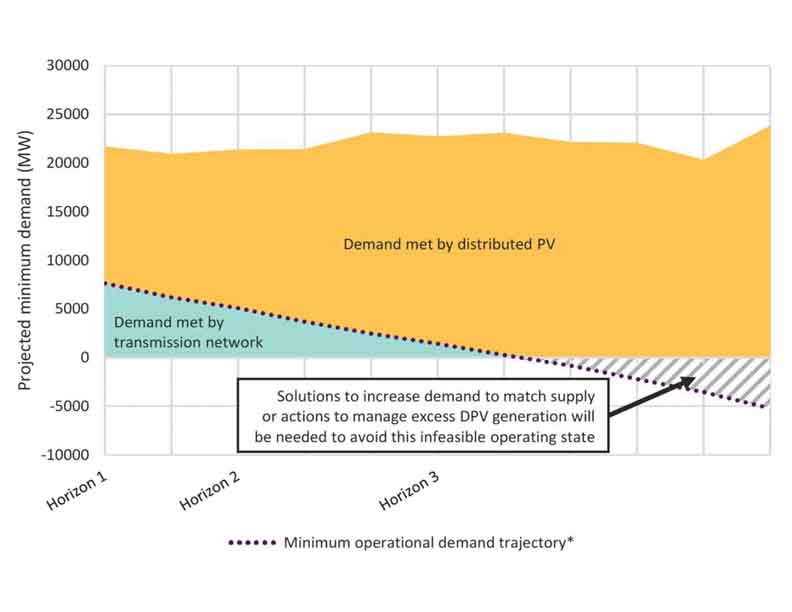
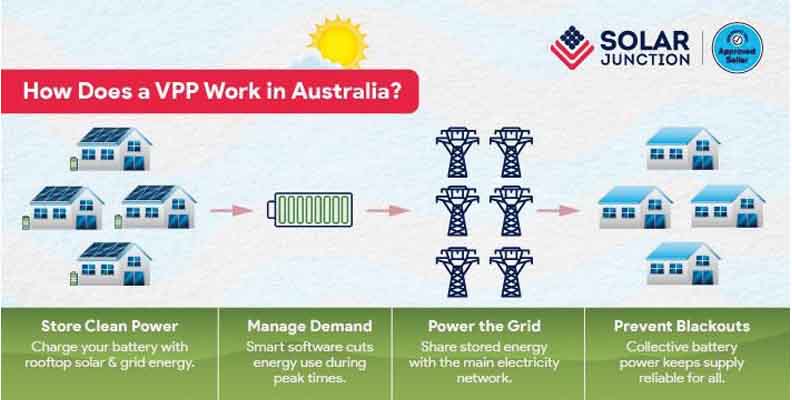
Australia presents the most extreme case globally, with very high rooftop solar penetration. At times, distributed solar generation meets a significant share of demand, resulting in substantial reverse flows and ‘minimum demand’ events.
Key challenges:
- Overloading of distribution feeders and transformers
- Voltage instability in low-voltage networks
- Need for emergency solar curtailment
Mitigation measures:
- Dynamic export limits for rooftop solar
- Deployment of Virtual Power Plants (VPPs)
- Promotion of behind-the-meter battery storage
- Introduction of remote disconnection (“backstop”) mechanisms
Inference: Australia illustrates that in high-DER scenarios, distribution networks become the critical constraint, necessitating active grid management and storage integration.
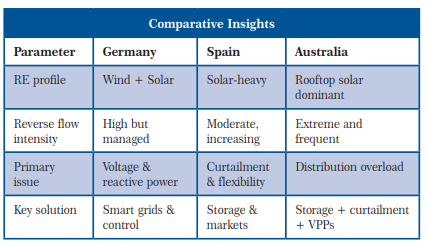
Synthesis: Across all three countries, bidirectional flow transitions the grid into an active system requiring real-time balancing, flexibility, and digital control.
Indian Context and CEA Guidelines
India is witnessing rapid growth in rooftop solar, distributed RE, and agricultural feeders with solarization (e.g., PM-KUSUM). This is already leading to localized reverse power flow in several states.
The Central Electricity Authority (CEA) has proactively issued technical regulations and guidelines to address such challenges:
Key CEA provisions:
- CEA (Technical Standards for Connectivity of Distributed Generation Resources) Regulations, 2013 (amended)
– Mandates anti-islanding protection
– Specifies voltage and frequency operating ranges
– Requires synchronization standards for DER
- CEA Grid Standards Regulations, 2010 (amended)
– Defines voltage control, reactive power management, and system security requirements
- Guidelines on Distributed Generation and Rooftop Solar
– Emphasis on smart inverters with Volt/VAR capability
– Integration with SCADA/Distribution Management Systems (DMS)
- Draft Regulations on Flexible Operation of Thermal Plants
– To address variability and ramping challenges due to solar
Emerging Indian challenges:
- Voltage rise in rural feeders with high solarization
- Transformer overloading due to reverse flow
- Inadequate visibility at distribution level (lack of real-time data)
- Persistence of static net metering policies, which do not reflect system conditions
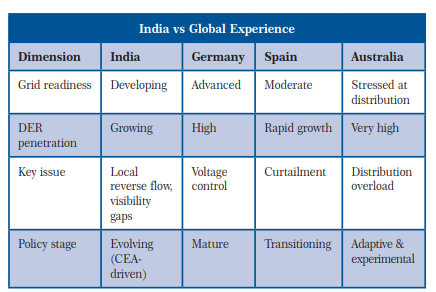
Strategic Implications for India
Drawing from international experience, the following strategic directions emerge:
Strengthening Distribution Infrastructure
- Upgrade transformers and feeders for bidirectional flow
- Increase hosting capacity of distribution networks
Smart Grid Deployment
- Advanced metering infrastructure (AMI)
- SCADA/ADMS for real-time monitoring
Mandatory Smart Inverters
- Volt/VAR, Volt/Watt capabilities
- Alignment with updated CEA standards
Energy Storage Integration
- Utility-scale and distributed Battery Energy Storage Systems (BESS)
- Co-location with solar projects
Regulatory Evolution
- Transition from net metering to net billing / dynamic pricing
- Time-of-day tariffs and demand response
Avoiding late-stage corrections:
- Unlike Australia, India should integrate storage and control early, rather than resorting to curtailment-driven approaches later
Conclusion
The transition to two-way power flow is an inevitable consequence of large-scale renewable integration. Experiences from Germany, Spain, and Australia demonstrate that while technical challenges such as voltage rise, congestion, and reverse flow are significant, they are manageable through proactive planning, grid modernization, and regulatory innovation.
For India, guided by the Central Electricity Authority’s evolving framework, the focus must
shift toward building a flexible, intelligent, and resilient distribution grid. The success of India’s energy transition will depend not only on adding renewable capacity but on re-engineering the grid to handle bidirectional energy flows efficiently and reliably.
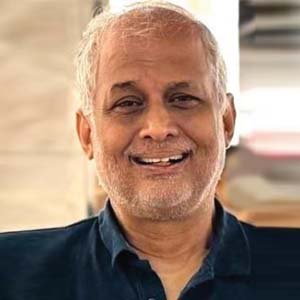
Dr. Bibhu Prasad Rath is a senior power sector professional with over 36 years of experience at NTPC Limited, India’s largest power utility, where he superannuated as Additional General Manager. His expertise spans power generation, electrical systems, sustainability, project appraisal, procurement, and policy formulation. Dr. Rath holds an M.Tech from IIT Delhi and a Ph.D. in Business Administration, and works at the intersection of power engineering, digital technologies, and ESG-driven infrastructure planning. He actively contributes to industry discourse through research, teaching, and professional publications. https://www.linkedin.com/in/bibhu-rath-a1b52622/