
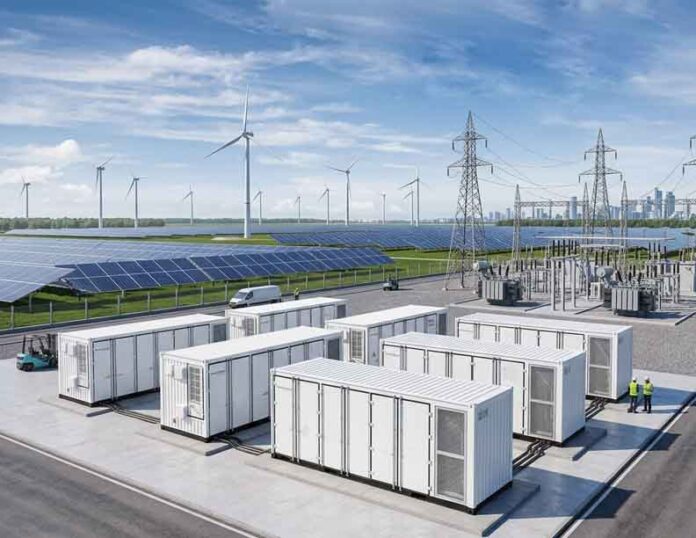
The global energy sector is undergoing one of the most profound transformations in its history. Decarbonization imperatives, rapid renewable energy integration, digitalization, decentralization of power systems, and growing concerns regarding energy security are collectively redefining the architecture of modern electrical infrastructure. In this evolving landscape, power generator sets – traditionally regarded merely as standby or emergency power systems – are themselves undergoing significant technological and functional transformation.
Conventional generator sets powered by diesel or gas engines continue to remain indispensable for industrial operations, healthcare facilities, data centers, telecom networks, transportation systems, and other critical infrastructures. However, the expectations from modern gensets are changing rapidly. Today’s generator systems are expected not only to provide reliable power but also to operate with lower emissions, higher fuel efficiency, intelligent automation, and seamless compatibility with renewable energy systems.
The era of energy transition is therefore not eliminating generator sets; rather, it is reshaping them into smarter, cleaner, and more integrated distributed energy assets.
The Changing Energy Landscape
The traditional centralized electricity generation model is gradually giving way to decentralized and hybridized power ecosystems. Several factors are driving this transition:
- Increasing penetration of renewable energy
- Electrification of transport and industry
- Climate change mitigation goals
- Grid instability and resilience concerns
- Rising demand for uninterrupted power quality
- Expansion of digital infrastructure and hyperscale data centers
Although solar and wind capacities are growing rapidly worldwide, their intermittent nature continues to create significant balancing and reliability challenges. Generator sets therefore remain essential for:
- Grid stabilization
- Peak load management
- Emergency backup
- Black-start capability
- Microgrid support
In many developing economies, gensets continue to provide critical support during grid disturbances, transmission bottlenecks, and peak demand shortages.
Transition from Conventional to Intelligent Generator Systems
Historically, generator sets were designed primarily for isolated operation during utility outages. Modern systems, however, are increasingly integrated into intelligent energy management architectures.
The emerging generator is no longer merely a standalone machine; it is becoming a digitally connected and dynamically optimized energy resource capable of interacting with renewable generation, storage systems, and smart grids.
Emerging Trends in Generator Technology
Hybrid Generator Systems
One of the most significant developments in recent years is the integration of conventional generator sets with renewable energy and energy storage systems.
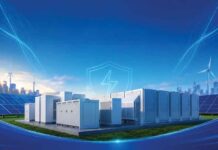
Microgrids are localized power systems capable of operating either in coordination with the main electrical grid or independently in island mode. They typically integrate distributed energy resources such as solar photovoltaic systems, wind turbines, diesel or gas generators, Battery Energy Storage Systems (BESS), and intelligent controllers to provide reliable and resilient power to a defined area. Modern microgrids optimize energy flow, improve renewable utilization, and enhance energy security during grid disturbances. Increasingly deployed in campuses, industrial facilities, hospitals, remote communities, military bases, and smart cities, microgrids are emerging as a critical component of decentralized and sustainable energy infrastructure.
Hybrid Systems
Hybrid systems commonly combine solar photovoltaic systems, wind energy systems, Battery Energy Storage Systems (BESS), diesel or gas generators, and smart supervisory controllers. These systems dynamically optimize energy flow based on load demand, renewable energy availability, battery state of charge, and fuel efficiency considerations.
The advantages of hybridization include reduced fuel consumption, lower carbon emissions, improved reliability, reduced operating costs, lower engine runtime, and enhanced renewable energy utilization. Hybrid generator systems are increasingly being deployed across telecom towers, remote communities, educational campuses, mining operations, defence infrastructure, and islanded microgrids.
Gas-Based and Low-Carbon Generator Technologies
Environmental regulations and sustainability pressures are accelerating the transition away from conventional diesel-only systems toward cleaner fuels. Natural gas generators are gaining importance because of their lower particulate emissions, reduced NOx generation, lower noise levels, and cleaner combustion characteristics.
At the same time, interest is growing in biogas generators, syngas-based systems, hydrogen-enriched fuel blends, and renewable fuels such as Hydrotreated Vegetable Oil (HVO). Hydrogen-ready engines are also emerging as an important area of research and development. Although large-scale commercial deployment remains limited, several manufacturers are already developing engines capable of operating on hydrogen-natural gas mixtures. This transition reflects the broader movement toward net-zero carbon energy systems.
Battery Energy Storage Integration
Battery Energy Storage Systems are fundamentally altering generator operation strategies. Traditionally, gensets were sized to accommodate peak demand and transient load surges. With BESS integration, batteries can absorb transient fluctuations, allowing generators to operate closer to optimal loading conditions. This improves fuel efficiency while also reducing engine wear.
Modern controller systems can intelligently determine when batteries should discharge, when renewable systems should supply the load, and when generators should start or stop. This enables significant reductions in fuel consumption and operating expenditure while improving overall system flexibility.
Pumped Hydro Storage Integration
Pumped Hydro Storage Systems (PHSS) are also playing an increasingly important role in renewable energy integration and grid balancing strategies. Traditionally, electrical grids relied heavily on conventional thermal and hydro plants to manage peak demand variations and maintain frequency stability. With PHSS integration, excess renewable energy can be stored during low-demand periods, grid frequency fluctuations can be stabilized, peak demand can be supplied rapidly, and conventional generators can operate more efficiently near optimal loading conditions.
Modern energy management systems can intelligently determine when water should be pumped to upper reservoirs, when stored water should be released for generation, when renewable energy surplus should be absorbed, and when grid support services should be activated. This enables large-scale energy storage, improved renewable energy utilization, peak load management, reduced renewable curtailment, and enhanced grid reliability and operational flexibility.
Pumped hydro systems are increasingly being integrated with solar parks, wind farms, smart grids, hybrid renewable systems, and national load dispatch networks. Because of their long operational life, massive storage capacity, and rapid response capability, pumped hydro systems are emerging as one of the most important technologies supporting long-duration energy storage in the energy transition era.
Digitalization and Smart Monitoring
The generator industry is rapidly adopting Industry 4.0 technologies. Modern generator systems increasingly incorporate IoT-enabled sensors, cloud-based analytics, remote diagnostics, predictive maintenance algorithms, real-time fuel monitoring, and GPS-based fleet management systems.
Advanced supervisory systems continuously monitor engine temperature, lubrication condition, fuel efficiency, load patterns, emission parameters, and vibration signatures. Artificial intelligence and machine learning are now being used to predict component failures before actual breakdowns occur. The transition from preventive maintenance to predictive maintenance represents one of the most significant operational shifts in generator asset management.
Generator Synchronization and Microgrids
Future power systems are expected to become increasingly decentralized. In this context, multiple generator systems are now frequently synchronized with renewable energy systems, utility grids, battery storage systems, and other distributed generators.
Modern microgrid controllers enable automatic load sharing, frequency stabilization, dynamic dispatch optimization, and seamless islanding and grid reconnection. Such systems are becoming increasingly important for industrial campuses, smart cities, airports, defence infrastructure, and data centers. Generator sets are therefore evolving into active participants in distributed energy management rather than remaining passive backup devices.
Data Centers and High-Reliability Power Systems
The explosive growth of artificial intelligence, cloud computing, and digital services has dramatically increased global data center capacity. Despite increasing renewable energy adoption, data centers continue to rely heavily on generator systems because of their stringent reliability requirements.
Emerging trends include high-speed transient response generators, redundant modular architectures, low-emission gas generators, integration with fuel cells, and dynamic UPS-genset coordination. Reliability expectations in hyperscale data centers are driving major innovations in generator control systems and fault-tolerant engineering.
Emission Regulations and Sustainability Pressures
Environmental concerns are reshaping generator design worldwide. Regulatory frameworks increasingly mandate reduced NOx emissions, lower particulate matter, noise reduction, and improved fuel efficiency.
In India, standards prescribed by the Central Pollution Control Board (CPCB) have accelerated the adoption of CPCB-IV+ compliant gensets. Globally, similar transitions are evident through EU Stage V norms, US EPA Tier regulations, and IMO marine emission standards.
Manufacturers are investing heavily in exhaust after-treatment systems, selective catalytic reduction technologies, diesel particulate filters, and electronic fuel injection systems to meet evolving environmental and operational requirements.
The Role of Artificial Intelligence
Artificial Intelligence (AI) is beginning to influence generator operation and energy optimization strategies. AI-enabled control platforms can forecast load demand, optimize fuel scheduling, predict failures, improve dispatch efficiency, and dynamically coordinate hybrid systems.
Future generator systems may increasingly function as autonomous energy agents within intelligent grid ecosystems.
Conclusion
The ongoing energy transition is transforming power generator sets from conventional mechanical backup machines into intelligent, low-carbon, and digitally integrated energy resources. Hybridization, battery integration, alternative fuels, artificial intelligence, microgrids, and advanced energy management architectures are collectively redefining the future of distributed power generation.
While renewable energy systems will continue expanding rapidly, reliable dispatchable generation will remain indispensable for ensuring grid stability, energy resilience, and power quality. Generator sets, therefore, are not disappearing in the era of energy transition; they are evolving.
The future belongs to cleaner, smarter, and more adaptive generator systems capable of operating seamlessly within the emerging decentralized energy landscape.
Prof. (Dr.) Bibhu Prasad Rath, currently serving as Professor of Practice at the National Institute of Technology Meghalaya, is a distinguished industry leader with more than 36 years of extensive experience in the power sector, with core expertise spanning Energy, Environment, and Economics. He possesses strong domain knowledge in operations, design, procurement, feasibility analysis, policy formulation, investment appraisal, and carbon credit mechanisms, complemented by a 13-month tenure at the Ministry of Power. He earned his Ph.D. in Business Administration from Aligarh Muslim University and has authored numerous research papers presented and published in reputed journals and conferences.