
In India’s rapidly expanding power sector marked by urban densification, renewable integration, underground cabling, smart metering, and EV charging infrastructure, the risk profile of electrical installations is evolving faster than our safety frameworks.
For regulators, utilities, engineers, and management professionals, electrical fire safety is no longer a compliance issue. It is a governance imperative.
The Growing Context: Why Electrical Fire Risk is Rising in India?
India’s power sector has undergone structural transformation over the past two decades:
- Rapid urban load growth
- Increased load density in commercial complexes
- Aging distribution infrastructure
- Rooftop solar integration
- Expansion of underground cabling
- Electrification of transport
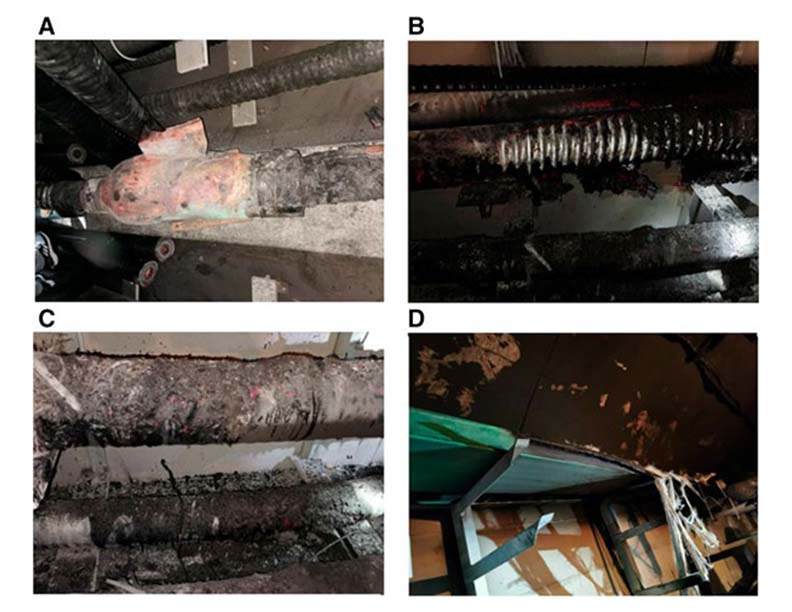
While system reliability has improved, fire vulnerability has increased due to:
- Overloaded Distribution Transformers (DTs)
- Cable joint failures in congested urban corridors
- Substandard switchgear maintenance
- Poor-quality consumer-side wiring
- Lack of arc-flash mitigation systems
- Inadequate earthing and bonding practices
Electrical fires account for a significant proportion of urban fire incidents in India. Many of these are preventable.
Understanding Electrical Fire Mechanisms
Electrical fires are fundamentally energy release events caused by uncontrolled electrical faults.
Arc Flash: The Underestimated Hazard
An arc flash can reach temperatures of 19,000°C. In Indian substations, arc flash studies are rarely conducted at distribution level.
Consequences:
- Severe burns
- Equipment destruction
- Blast pressure
- Secondary fires
Arc flash mitigation is still not mainstream in Indian DISCOM safety protocols.
Regulatory Architecture Governing Electrical Fire Safety in India
India’s electrical safety regime is governed by multiple frameworks:
The Electricity Act, 2003
- Empowers Central Electricity Authority (CEA) to frame safety regulations.
- Mandates safe generation, transmission, distribution.
CEA (Measures Relating to Safety and Electric Supply) Regulations, 2010
Key provisions:
- Earthing standards
- Clearance requirements
- Protection systems
- Maintenance obligations
- Periodic inspection
National Building Code (NBC) 2016
Fire safety requirements for:
- Electrical rooms
- Transformer yards
- Fire compartmentalization
- Cable routing
State Electricity Regulatory Commissions (SERCs)
SERCs indirectly influence safety via:
- Capital expenditure approvals
- Performance standards
- Reliability metrics
- Safety compliance audits
However, safety investments often compete with tariff sensitivity.
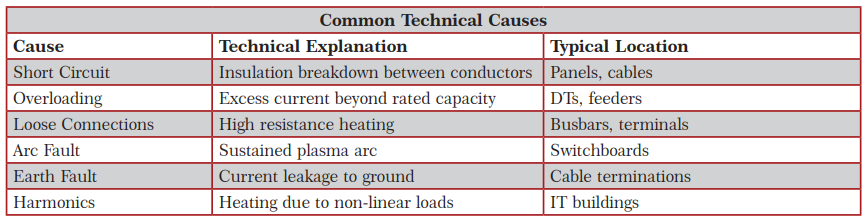
Fire Risk Hotspots in Power Infrastructure
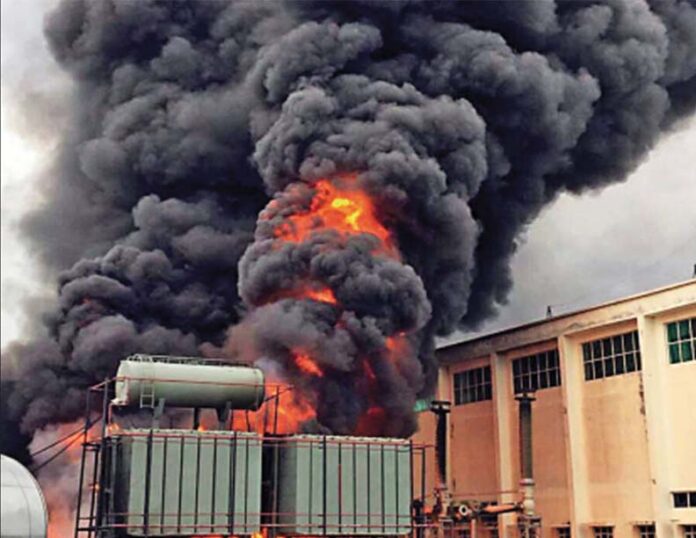
Distribution Transformers
Common causes:
- Overloading beyond nameplate capacity
- Poor oil quality
- Lack of breather maintenance
- Lightning surges
- Low insulation resistance
Mitigation:
- Load balancing
- Online temperature monitoring
- Oil testing (BDV, DGA)
- Surge protection devices
Underground Cable Networks
Underground cables are safer aesthetically but riskier thermally.
Key failure triggers:
- Improper jointing
- Moisture ingress
- Overcrowded cable trenches
- Third-party excavation damage
Thermal runaway in cable trenches can lead to cascading failures across feeders.
Substations
Vulnerabilities include:
- Aging switchgear
- Lack of thermographic inspection
- Inadequate segregation of control cables
- Absence of fire-rated partitions
Best practice:
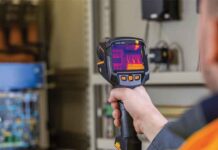
- Infrared thermography every six months
- Partial discharge monitoring
- Fire detection and suppression systems
- Arc-resistant panels
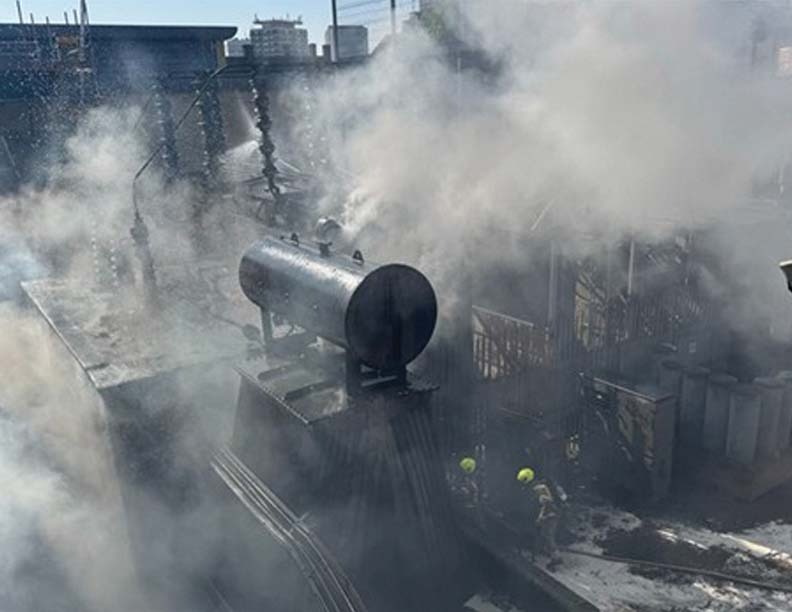
Regulatory Economics of Fire Safety
From a regulatory standpoint, safety investments are capital intensive but yield long-term societal benefits.
Capex vs Tariff Sensitivity
When utilities propose:
- Fire detection systems
- Arc flash mitigation
- Oil containment pits
- Fire walls
Regulators assess:
- Prudence
- Cost-benefit
- Consumer tariff impact
The challenge:
Fire prevention savings are probabilistic. Fire losses are certain only after disaster.
Risk-Based Regulation
Forward-looking regulators are shifting toward:
- Asset health indexing
- Condition-based maintenance
- Reliability-linked incentives
- Safety performance benchmarking
Safety should be integrated into tariff determination, not treated as optional expenditure.
Case Patterns Observed in Indian Electrical Fire Incidents
Journalistic review of electrical fire incidents reveals recurring themes:
- Deferred maintenance
- Inadequate load forecasting
- Poor contractor supervision
- Non-compliance with earthing norms
- Temporary arrangements becoming permanent
Often, inquiry reports cite ‘short circuit’ as cause. Rarely is systemic accountability examined.
Engineering Controls for Fire Prevention
Design-Level Controls
- Proper short-circuit rating selection
- Selective coordination of relays
- Adequate fault clearing time
- Flame-retardant cables
- Fire-retardant cable coatings
Protection Philosophy
Protection systems must ensure:
- Fast isolation
- Minimal fault propagation
- Selectivity
- Backup redundancy
Maintenance Protocol
A robust maintenance framework includes:
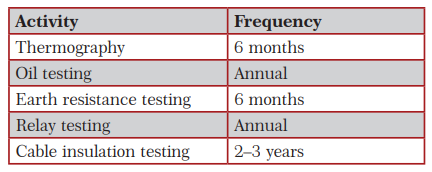
Role of Technology in Electrical Fire Prevention
Technology can significantly reduce fire risk:
- IoT-based temperature sensors
- Online DGA monitoring
- Smart meters detecting abnormal loads
- AI-based anomaly detection
- SCADA event analytics
Predictive maintenance reduces reactive firefighting.
Fire Protection Systems in Electrical Installations
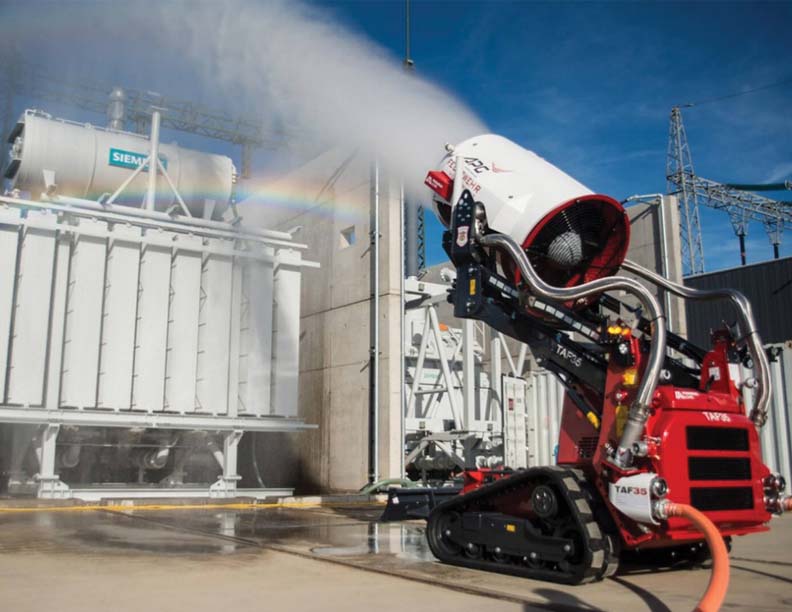
Transformer Protection
- Water spray systems
- Nitrogen injection systems
- Oil containment bunds
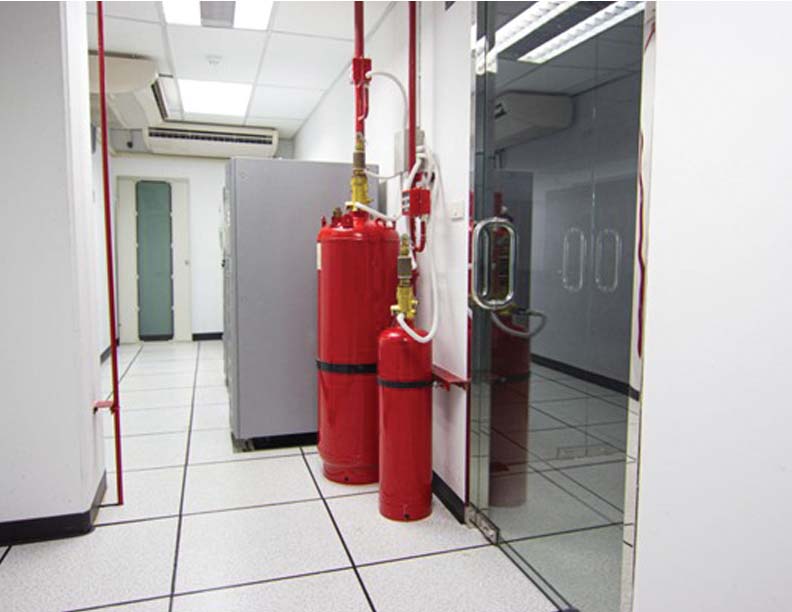
Electrical Rooms
- Clean agent systems (FM200, Novec)
- Smoke detection
- Fire-resistant doors
Substations
- Hydrant systems
- Foam systems for oil fires
- Fire-rated cable trenches
Human Factor: The Weakest Link
Most electrical fires have a human dimension:
- Inadequate training
- Poor supervision
- Safety shortcuts
- Pressure to restore supply quickly
- Safety culture must be leadership-driven.
DISCOM boards must treat safety metrics with the same seriousness as AT&C losses.
ESG and Electrical Fire Risk
Environmental, Social and Governance (ESG) frameworks increasingly evaluate:
- Operational safety
- Risk management
- Incident transparency
- Community impact
Electrical fires:
- Cause environmental pollution (transformer oil spills)
- Endanger public life
- Affect utility reputation
- Invite regulatory penalties
Safety governance is now part of corporate sustainability.
Strategic Recommendations for Regulators
- Mandate Arc Flash Studies for urban substations.
- Introduce Safety Performance Index in tariff orders.
- Approve ring-fenced safety capex.
- Require annual safety audit reports.
- Penalize repeated fire incidents due to negligence.
- Promote underground cable health monitoring.
- Encourage adoption of Flame-Retardant Low Smoke (FRLS) cables.
Regulation must move from reactive enforcement to preventive governance.
Strategic Recommendations for Utilities
- Develop Asset Health Registers.
- Adopt condition-based maintenance.
- Digitize inspection records.
- Implement root cause analysis culture.
- Strengthen contractor safety management.
- Conduct periodic emergency drills.
- Integrate fire risk in Enterprise Risk Management (ERM).
Conclusion: From Compliance to Consciousness
Electrical fires are not accidents. They are indicators.
They indicate:
- Design gaps
- Governance gaps
- Maintenance gaps
Cultural gaps
India’s power sector stands at a technological inflection point. As smart grids, distributed energy resources, and EV infrastructure scale up, safety complexity will increase.
The question is not whether electrical fires can be eliminated entirely. The question is whether they can be minimized through:
- Sound engineering
- Strong regulation
- Responsible management
- Proactive maintenance
- Technological integration
Fire safety is not merely a technical function. It is a strategic responsibility.
- For regulators, it is about prudence and protection of public interest.
- For utilities, it is about reliability and reputation.
- For engineers, it is about design integrity.
- For management, it is about governance maturity.
The future of India’s power sector will not be defined only by megawatts added, but by incidents prevented.
Electrical fire safety must evolve from a checklist requirement to a core operational philosophy.
Only then India can build a resilient, reliable and responsible power ecosystem.

Karn Pallav is a qualified Mechanical Engineer and MBA (Power) graduate from NPTI Faridabad. He is currently working as Head (Regulatory Affairs) in a leading power DISCOM at New Delhi. He has around two decades of management experience in the entire value chain of the Power Sector. He has vast experience in power utilities dealing with competition issues, tariff determination, licensing and other techno-commercial matters. Being an engineer and Power Manager, he is also interested in technical issues related to Conventional and Renewable Generation, Open Access, parallel license regime, smart grid, AMI, smart meters, cyber-security issues and E-mobility. He has also written six books, namely – 1) The Power of Positive Thinking, 2) Customer Engagement Strategies in Retail Electricity Market, 3) 5 Rules For Life, 4) Whispers of the Heart, 5) Whispers of the Himalayas’, and 6) Guardians of the Future: Human Values and Ethical AI.