
Switchgear refers to an integrated assembly of electrical devices such as disconnect switches, fuses, relays, and circuit breakers designed to control, protect, and electrically isolate power system equipment. It plays a vital role in regulating power flow across applications ranging from utility substations to commercial and industrial facilities.
By detecting abnormal conditions such as overloads, short circuits, or ground faults, switchgear interrupts fault currents and limits equipment damage. This coordinated operation enhances system reliability, ensures operational continuity, and provides safe conditions for maintenance and fault clearance within electrical networks.
Switchgear is installed at critical points in a power system where electrical energy must be controlled, protected, or distributed. It is located at generating stations to connect generators to the transmission network and safeguard major equipment, and in transmission substations to perform switching, isolate faults, and protect lines and transformers.
In distribution networks, switchgear is placed at primary and secondary substations, feeders, and panels to regulate voltage and maintain reliable supply to consumers, while in industrial and commercial facilities it is positioned near incoming supplies, load centres, and motor control units for safe operation and maintenance.
The type of switchgear installation like, indoor or outdoor, metal enclosed or gas insulated is determined by factors such as voltage level, environmental conditions, available space, and applicable safety standards. Proper selection and positioning enhance accessibility for operation and maintenance, reduce the impact of faults, and contribute to the overall reliability, safety, and efficiency of the power system.
Importance of Switchgear in Modern Power Systems
The primary purpose of switchgear in electrical networks is to ensure the safe, reliable, and efficient operation of power systems. It protects essential components such as generators, transformers, cables, and busbars from abnormal conditions like overloads, short circuits, earth faults, and voltage fluctuations by quickly interrupting fault currents, thereby preventing equipment damage, insulation failure, and fire hazards.
In the event of a fault, switchgear isolates only the affected section through coordinated protection schemes, keeping the rest of the network energized and maintaining system stability. Additionally, switchgear facilitates control and regulation of electrical circuits by allowing connection and disconnection of loads, starting and stopping equipment, and managing power flow under both normal and abnormal conditions, supporting efficient operation and flexible load management across the network.
Working Principle of Switchgear
The working principle of switchgear is based on the detection, control, and interruption of electrical power under both normal and faulty conditions to ensure safe and reliable system operation. Under normal operating conditions, switchgear allows electrical energy to flow through circuits via closed contacts while enabling controlled switching for load management. When an abnormal condition such as an overload, short circuit, or ground fault occurs, protective devices such as current transformers and voltage transformers sense the fault parameters and send signals to protective relays. These relays analyse the magnitude, duration, and nature of the fault and, if preset limits are exceeded, issue a trip command to the associated circuit breaker.
The circuit breaker then rapidly opens its contacts to interrupt the fault current, during which an electrical arc is formed; this arc is extinguished using appropriate arc-quenching techniques depending on the type of switchgear, such as air, vacuum, oil, or SF6 gas insulation. By isolating only the faulted section, switchgear prevents damage to equipment, limits system disturbances, and maintains continuity of supply to healthy parts of the network. Once the fault is cleared and conditions return to normal, the switchgear can be safely reset and re-energized, allowing efficient restoration of power while ensuring operational safety and system reliability.
Different Types of Switchgear
Switchgear can be classified into three main categories based on voltage levels: Low Voltage (LV) switchgear, Medium Voltage (MV) switchgear, and High Voltage (HV) switchgear.
Low Voltage (LV) Switchgear
Low voltage (LV) switchgear is a core element of electrical power systems, intended for circuits operating up to 1 kV AC or 1.5 kV DC. This ensures safe, reliable, and controlled power distribution in residential, commercial, and industrial installations. LV switchgear incorporates various protective and control devices such as Air Circuit Breakers (ACBs), Molded Case Circuit Breakers (MCCBs), Miniature Circuit Breakers (MCBs), HRC fuses, isolators, and earth leakage circuit breakers to protect circuits from overloads, short circuits, and earth faults.
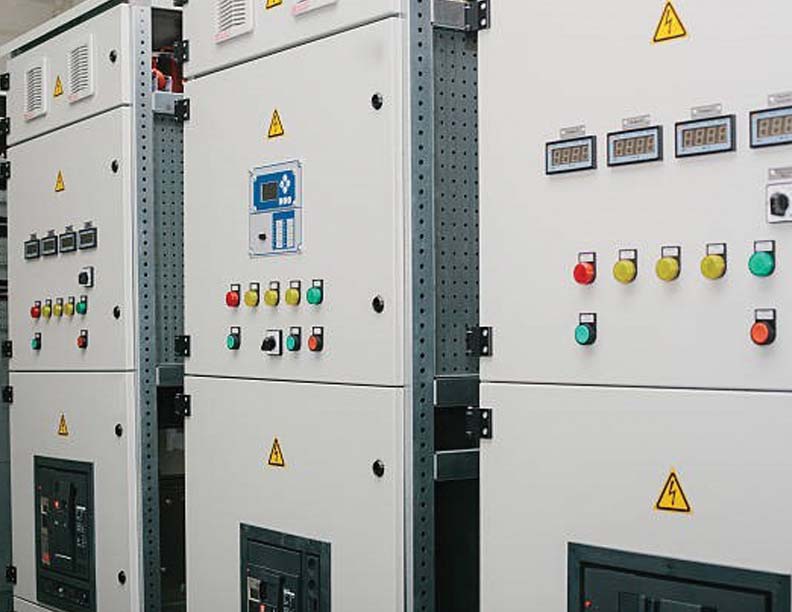
The incomer section supplies power to the main bus and interrupts fault currents, while sub-incomers feed secondary buses using ACBs or MCCBs with simplified interlocking. It also distributes power to different feeders, including motors, machinery, and lighting circuits, each with appropriate protection. Typically installed in distribution boards, LV switchgear offers centralized control and safe isolation, ensuring continuous power to healthy sections and making it an essential part of modern electrical distribution systems.
Medium Voltage (MV) Switchgear
Medium Voltage (MV) switchgear refers to electrical equipment used in power systems operating generally between 1 kV and 36 kV, with some applications extending up to 52 kV. It is essential for the control, protection, and isolation of electrical circuits in utility, industrial, and commercial networks.
MV switchgear typically includes components such as circuit breakers, load break switches, disconnectors, relays, and busbars, all enclosed in metal-clad or gas-insulated panels to ensure safety and dependable operation. It identifies abnormal conditions like overloads, short circuits, and earth faults, isolating the faulty section to protect equipment and reduce system disturbances.
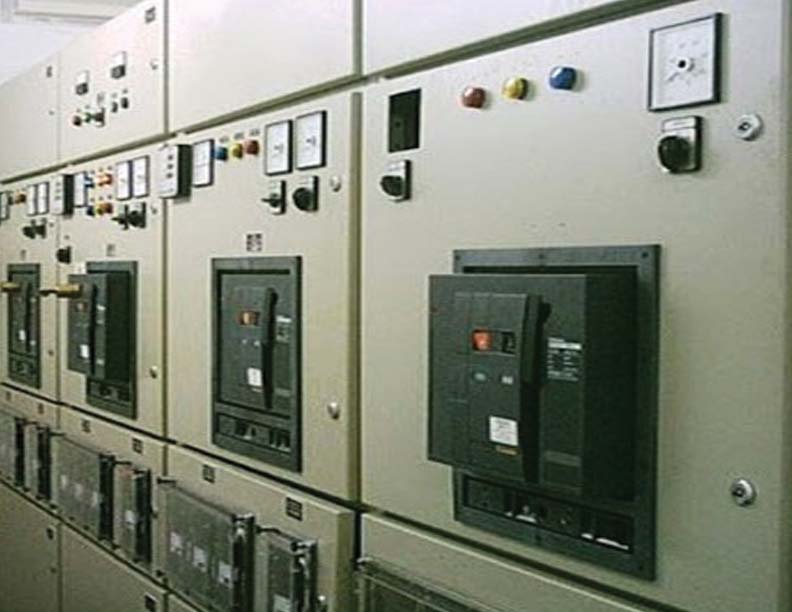
Additionally, it enables safe maintenance and testing by allowing selective disconnection of system sections. Modern MV switchgear integrates digital protection, monitoring, and automation technologies, improving operational efficiency, fault analysis, and overall system reliability.
High Voltage (HV) Switchgear
High-Voltage (HV) switchgear is specialized electrical equipment designed for systems operating at voltages above 36 kV, often extending up to 800 kV, and is primarily used in power generation stations, transmission networks, and large substations. Its main function is to control, protect, and isolate high-voltage circuits and equipment, ensuring safe and reliable operation of the power system.
HV switchgear incorporates components such as high-voltage circuit breakers, isolators, current and voltage transformers, and protective relays, all arranged within air-insulated, gas-insulated (SF6), or hybrid enclosures. These assemblies are engineered to interrupt extremely high fault currents and manage electrical arcs using advanced arc-quenching technologies, thereby preventing damage to equipment and maintaining system stability.
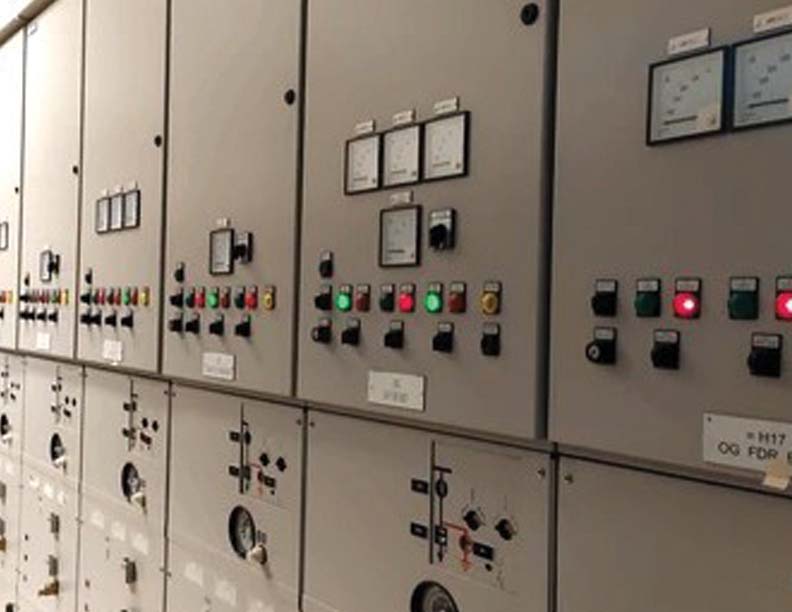
Additionally, HV switchgear allows safe isolation of circuits for maintenance, facilitates controlled power routing, and often integrates monitoring and automation systems to improve fault detection, operational efficiency, and overall reliability of high-voltage transmission networks.
Functions of Switchgear
- Equipment Protection: Switchgear safeguards electrical equipment such as transformers, generators, and feeders from short circuits, overloads, and fault currents, minimizing the risk of damage, overheating, and fire hazards.
- Circuit Isolation: It provides the ability to electrically isolate specific circuits from the main power supply, allowing safe maintenance, testing, and repair without interrupting the operation of the rest of the system.
- Enhanced System Reliability: By enabling multiple power sources to feed a single load, switchgear increases system redundancy and overall availability, ensuring continuous power supply even if one source fails.
- Control of Power Flow: Switchgear can open and close electrical circuits under both normal and abnormal operating conditions, offering precise control over the distribution and routing of electrical energy.
- Manual Operation for Safety: During standard operating conditions, switchgear can be operated manually, ensuring safe handling by personnel and optimizing energy use across the network.
- Automatic Fault Response: In abnormal conditions, such as short circuits or ground faults, switchgear operates automatically or mechanically to detect the fault and isolate the damaged section, preventing further damage to the system.
- System Protection and Stability: By quickly disconnecting faulted sections while keeping healthy parts of the network energized, switchgear maintains system stability, protects equipment, and reduces downtime.
Different Components of Switchgear
Switchgear consists of several key components that work together to ensure the safe, reliable, and efficient operation of electrical power systems. Each component performs a specific function related to protection, control, isolation, and monitoring of electrical circuits.
- Circuit Breakers: Circuit Breakers are one of the most critical components of switchgear. They are designed to protect electrical systems from abnormal conditions such as overloads, short circuits, and other faults. Circuit breakers operate by automatically interrupting the flow of current when fault conditions are detected, thereby preventing damage to equipment and reducing the risk of fire or system failure. In addition to protection, they also allow manual and automatic switching of circuits under normal operating conditions, making them indispensable to system safety and reliability.
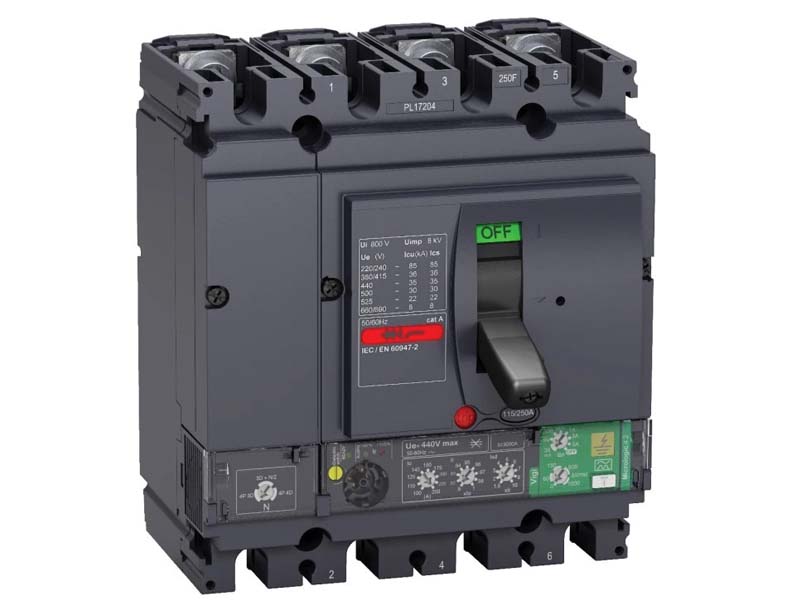
Fig. 4: Circuit breakers are integral components of switchgear assemblies… Fault Interrupters are self-operating electromechanical devices capable of making, carrying, and interrupting continuous current during fault conditions. They are equipped with sensing and control elements that detect overcurrent or fault conditions and initiate rapid interruption of the circuit. Unlike some circuit breakers, fault interrupters generally do not have automatic reclosing capability, making them suitable for applications where permanent isolation is required after a fault.
- Disconnect Switches (Isolators): Disconnect switches are used primarily to provide visible and physical isolation of electrical equipment from the power supply. Their main function is to ensure safe working conditions during inspection, maintenance, or repair activities. Disconnect switches are not intended to interrupt load or fault currents; instead, they are operated only when the circuit is de-energized, serving as a critical safety measure within switchgear systems.
- Fuses: Fuses are protective devices that safeguard electrical circuits and equipment against excessive current caused by overloads or short circuits. They operate by melting a calibrated metallic element when the current exceeds a specified limit, thereby opening the circuit and stopping current flow. Fuses are valued for their fast response, simplicity, and reliability, although they require replacement after operation.
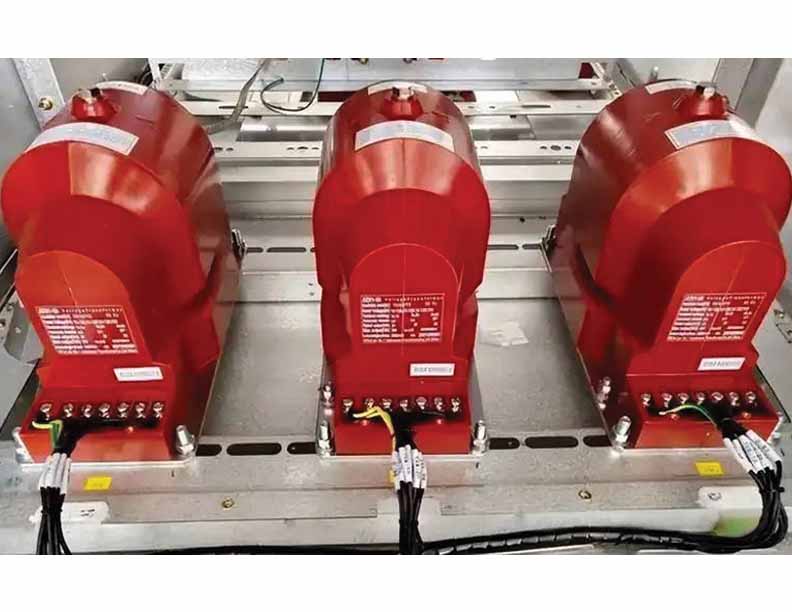
- Current Transformer (CT): A current transformer is used to step down high line currents to standardized, manageable values (typically 1A or 5A) suitable for protective relays, measuring instruments, and control devices. CTs enable accurate measurement of current without directly connecting instruments to high-current conductors, ensuring safety and electrical isolation. In switchgear, CTs supply current signals to protection relays for functions such as overcurrent, earth fault, differential, and short-circuit protection. They also support metering, monitoring, and energy measurement, contributing to system protection coordination and reliable fault detection.
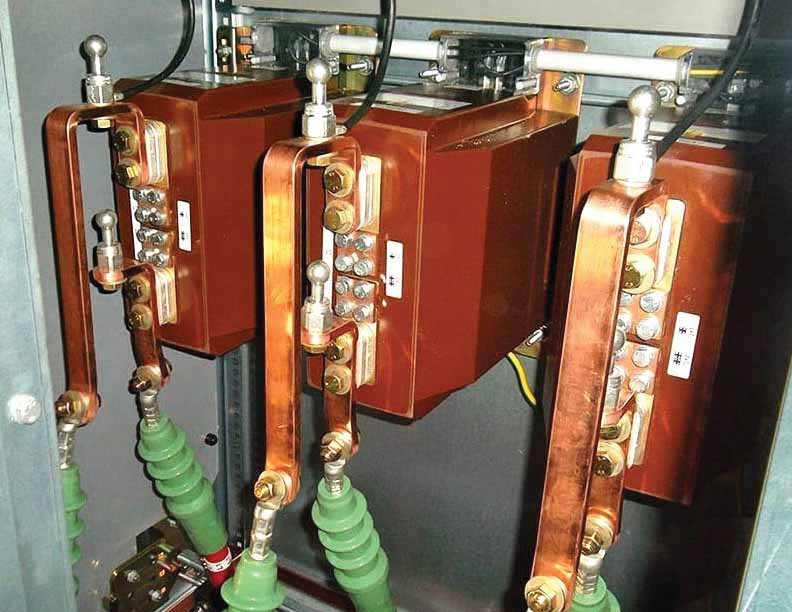
- Potential Transformer (PT): A Potential Transformer is used to reduce high system voltages to standardized low values (commonly 110V or 100V) for safe use by meters, relays, and control circuits. PTs provide precise voltage information required for voltage-based protection schemes such as overvoltage, under voltage, distance, and directional protection. In switchgear, PTs also support voltage measurement, synchronization, power and energy metering, and system monitoring, while providing electrical isolation between high-voltage circuits and low-voltage control equipment.
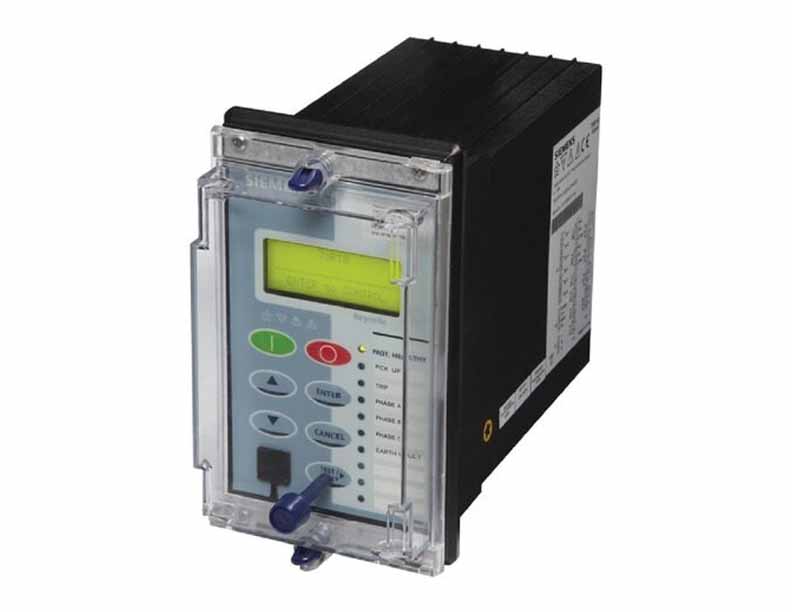
- Relays: Relays function as monitoring and control units that continuously supervise electrical parameters such as current, voltage, frequency, and phase conditions. When abnormal conditions are detected, protective relays issue trip signals to circuit breakers or fault interrupters to isolate the affected section of the system. Relays play a vital role in protection coordination, automation, and maintaining the stability and integrity of electrical networks.
- Earth Switches: Earth switches safely discharge residual charges and ground isolated equipment during maintenance, enhancing personnel safety.
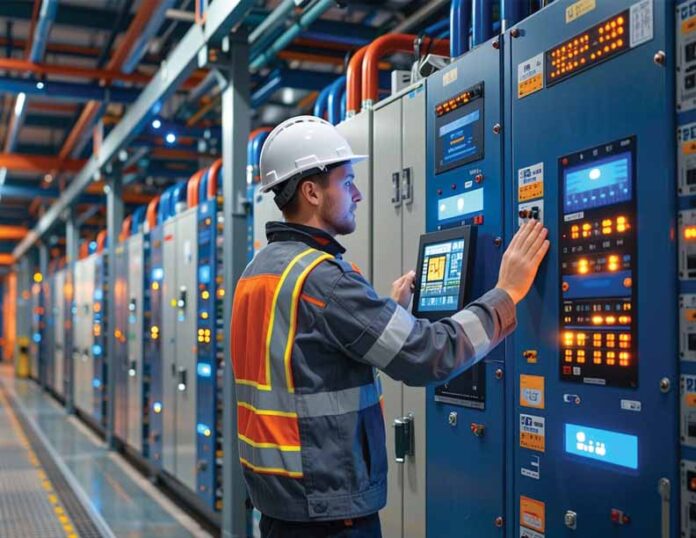
- Control Panels: Control panels serve as the central command, control, and monitoring interface for switchgear systems. They house various control devices, protective relays, meters, indicating lamps, and communication equipment that allow operators to monitor system performance and carry out switching operations. Control panels enable efficient system supervision, fault diagnosis, and safe operation, making them essential for the effective management of electrical power systems.
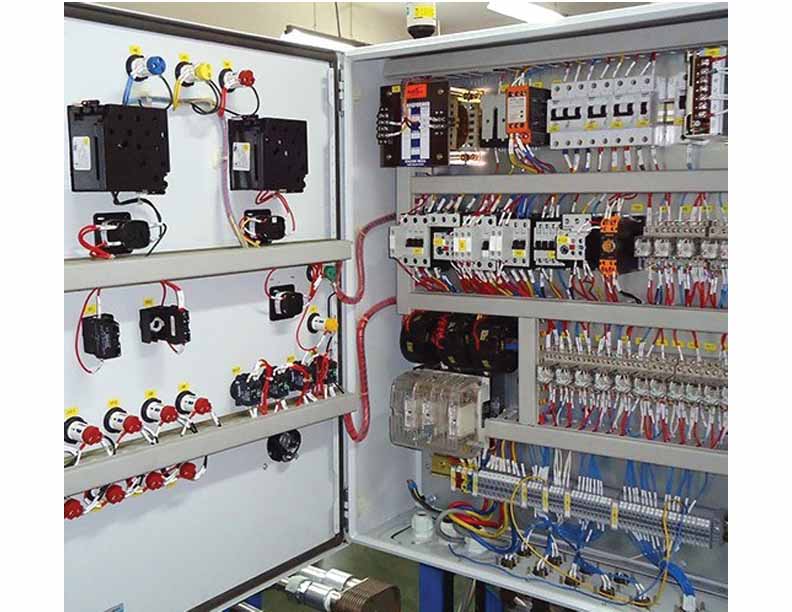
Fig. 8: Control panel in switchgear… With ongoing developments in digital protection technologies, automation, and condition-based monitoring, modern switchgear is continuously advancing to meet the demands of intelligent and resilient power systems. Consequently, it remains a critical component for maintaining safety, operational stability, and dependable electrical energy delivery within increasingly complex power networks.

Dr. Bidrohi Bhattacharjee holds a Ph.D. in Electrical Engineering from the Indian Institute of Technology (ISM), Dhanbad, India. He earned his B.E. in Electrical Engineering and M.Tech. in Illumination Technology and Design from Jadavpur University, Kolkata, West Bengal, India. Currently he is working as HoD and Assistant Professor at the Electrical Engineering Department in Budge Budge Institute of Technology, Kolkata, India. His research interests span power electronics, electric drives, renewable energy, sustainable development, electric vehicles, and battery charging technologies. He also holds several patents in the areas of power electronics, renewable energy, and electric vehicles.