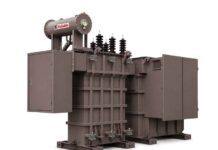

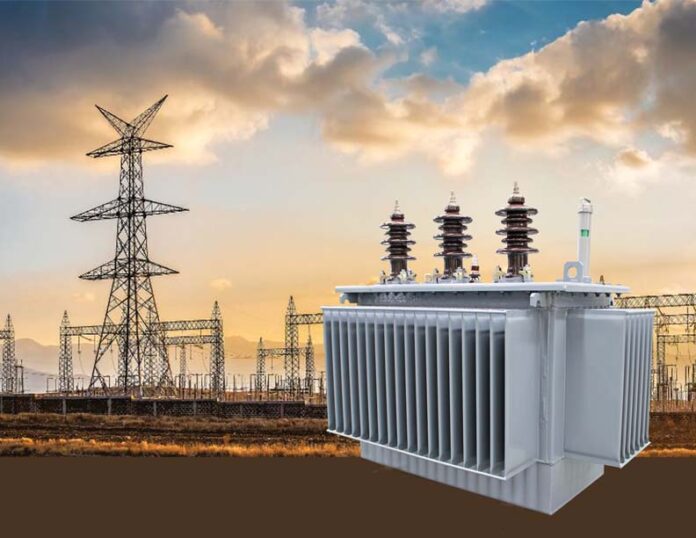
A transformer is a static electrical device that transfers electrical energy from one circuit to another without changing frequency, by the principle of electromagnetic induction. (Refer figure 1)
One of the major threats to transformer reliability is moisture ingress, which adversely affects insulation and oil quality. Moisture can lead to malfunctioning of PRV and Buchholz relay, resulting in false alarms and tripping, failure to operate during genuine faults, or even catastrophic transformer failure.
Importance of Power Transformers in the Power System:
- Voltage Transformation and Efficient Power Transmission: Power transformers are essential for changing voltage levels to minimize power losses. Electrical power is generated at medium voltages, stepped up to high or extra-high voltages for long-distance transmission, and later stepped down for distribution and utilization. Without transformers, transmission losses would be unacceptably high, making modern power systems impractical.
- Reliability and Continuity of Supply: Transformers ensure uninterrupted power supply to vital installations i.e., industries, hospitals, data centers, and residential areas. Failure of a single large power transformer can cause widespread blackouts, economic losses, and safety hazards. Due to their long manufacturing time and high cost, maintaining transformer health is crucial.
- System Stability and Load Management: Transformers help in load sharing, voltage regulation, and system stability. On-Load Tap Changers (OLTCs) allow voltage adjustment under varying load conditions, ensuring delivery of quality power to consumers.
- Economic and Strategic Importance: Large power transformers represent a significant capital investment. Damage or premature failure results in high repair costs, extended downtime, and logistical challenges. Therefore, effective protection devices such as PRV and Buchholz relay are essential to protect these strategic assets.
Why Transformer Protection Is Required?
Transformer is:
- Costly and critical asset
- Difficult to repair quickly
Faults inside a transformer can:
- Develop slowly (incipient faults)
- Escalate rapidly to catastrophic failure
- Therefore, multiple layers of protection are provided.
Protective Devices in Oil-Immersed Transformers
Transformer protection system is broadly classified into:
- Electrical protection
- Mechanical / Non-Electrical protection
- PRV and Buchholz relay fall under mechanical protection.
Pressure Relief Valve (PRV):
The PRV is a mechanical safety device installed on the transformer tank. Its function is to relieve excessive internal pressure caused by internal faults such as short circuits, insulation failure, or arcing in oil. When pressure exceeds a preset limit, the PRV operates to vent oil and gas, preventing tank rupture or explosion. (Refer figure 2)
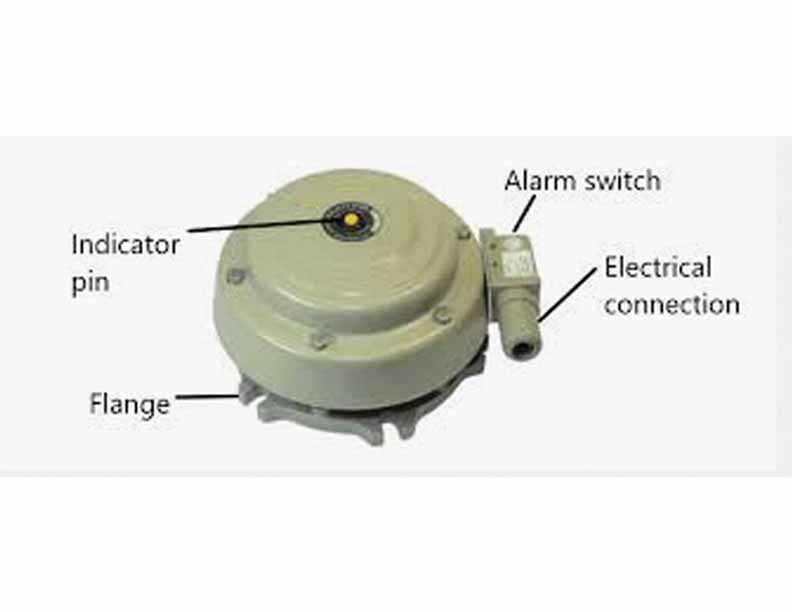
Buchholz Relay:
The Buchholz relay is a gas-actuated protective device installed in the pipe between the main tank and the conservator. It provides early warning and protection against internal faults. (Refer figure 3)
- Slow-developing faults generate gas bubbles, causing the upper float to operate and give an alarm.
- Severe internal faults cause sudden oil surge, operating the lower float and tripping the transformer.

It is important to mention here that no oil in the Buchholz realy gives alarm & tripping.
Malfunctioning of PRV and Buchholz Relay
In oil-immersed power transformers, protective devices such as the Pressure Relief Valve (PRV) and Buchholz Relay are critical for detecting and mitigating internal faults. Their electrical contacts, alarm, and trip circuits are routed through terminal or marshalling boxes mounted on the transformer. Moisture ingress into these terminal boxes is a common yet often overlooked problem. Accumulation of moisture can lead to malfunctioning of PRV and Buchholz relay, compromising transformer protection and system reliability.
Sources of Moisture in Terminal Boxes:
Moisture can enter PRV and Buchholz relay terminal boxes and marshalling boxes due to:
- Poor gasket sealing or aging rubber gaskets
- Cracked or improperly tightened cable glands
- Breathing of humid air due to temperature variation
- Absence or failure of space heaters
- Rainwater ingress during outdoor installation
- Condensation due to day–night temperature differences
Effect of Moisture on PRV Terminal Box
False Operation of Alarm/Trip Contacts:
Moisture inside the terminal box can cause:
- Tracking and leakage currents across terminal strips
- Short-circuiting of alarm or trip contacts
Effect:
- Unnecessary transformer shutdown
Corrosion of Electrical Contacts
Moisture leads to corrosion of:
- Contact terminals
- Micro-switch mechanisms
- Wiring lugs
Effect:
- Increased contact resistance
- Failure of PRV alarm or trip signal during genuine internal fault
Failure of Signal Transmission
Moisture accumulation may:
- Damage insulation of control cables
- Cause earth faults in DC control circuits
Effect:
- Relays operate mechanically, but alarm/trip command does not reach the control room
- Transformer remains energized during dangerous conditions
Effect of Moisture on Buchholz Relay Terminal Box
False Buchholz Alarm and Trip:
Moisture causes:
- Bridging of alarm and trip terminals
Effect:
- False Buchholz alarm (without gas accumulation)
- Spurious Buchholz trip without internal fault
Failure of Buchholz Relay During Actual Fault:
Corroded or wet terminals may:
- Fail to close the circuit during gas generation or oil surge
Effect:
- Buchholz relay does not operate during internal fault
- Severe damage to transformer windings and core
Safety Risks & Preventive and Corrective Measures
Malfunctioning of PRV and Buchholz relay due to moisture in terminal boxes can result in:
- Loss of primary transformer protection
- Tank rupture or explosion due to pressure buildup
- Fire hazards and oil spillage
- Risk to operating personnel
- Extended outages and equipment damage
Design and Installation Improvements:
- Use IP55/IP65-rated terminal boxes
- Proper sealing of cable glands and entries
- Double compression glands for outdoor cables
Moisture Control:
- Install and maintain space heaters in terminal box & marshalling box
- Use silica gel or anti-condensation heaters
- Ensure continuous heater supply in the marshalling box
- Use of Silicone paste / putty having the following properties:
a. Water-repellent (hydrophobic)
b. Good electrical insulation
c. Flexible sealing material
Special care when using silicone paste/ putty (it must be used after making area where it is to be applied clean & dry):
- As it does not absorb moisture
- Can trap moisture inside if applied over damp surfaces
- May interfere with terminal inspection, tightening, and contact reliability
If moisture is already present, sealing with silicone can worsen condensation inside the terminal box.
Maintenance Practices:
- Periodic inspection for moisture and corrosion
- Cleaning and drying of terminal boxes
- Replacement of corroded terminals and wiring
- Insulation Resistance (IR) testing of control circuits
Monitoring and Testing:
- Regular functional testing of PRV and Buchholz relay circuits
- Alarm and trip simulation tests
- Thermographic inspection of terminal boxes
Case Study: Prevention of Malfunctioning using Silicone paste / putty
During the rainy season, repeated instances of relay malfunctioning were observed in power transformers due to water ingress at the Buchholz relay and PRV (Pressure Relief Valve) terminal blocks. Moisture entered through cable glands, terminal gaps, and improperly sealed covers, leading to condensation, corrosion of terminals, earth faults, and false relay operations. These issues resulted in nuisance tripping, reduced reliability, and increased maintenance efforts.
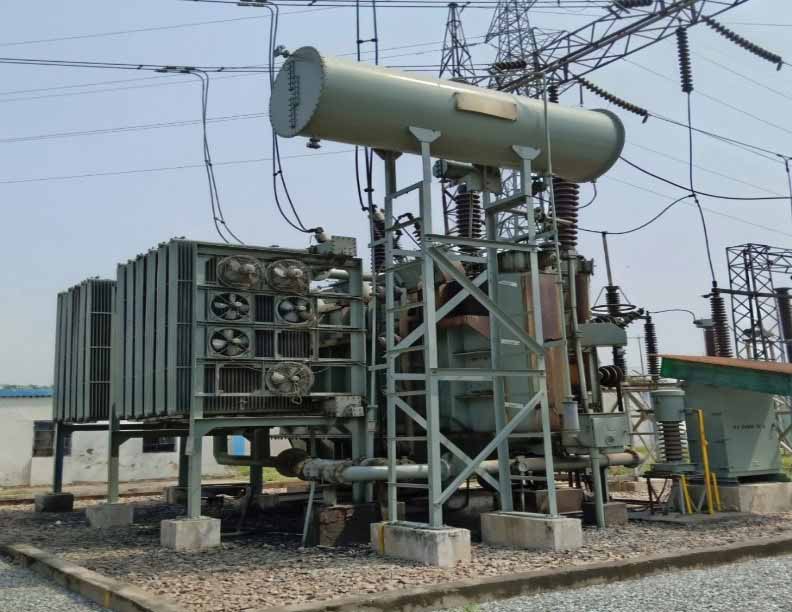
To address this problem, Silicone paste / putty was applied at the Buchholz and PRV terminal blocks. Silicon putty was used to seal cable entry points, terminal gaps, and unused openings. This created an effective moisture barrier and controlled internal humidity. (Refer figure 4)
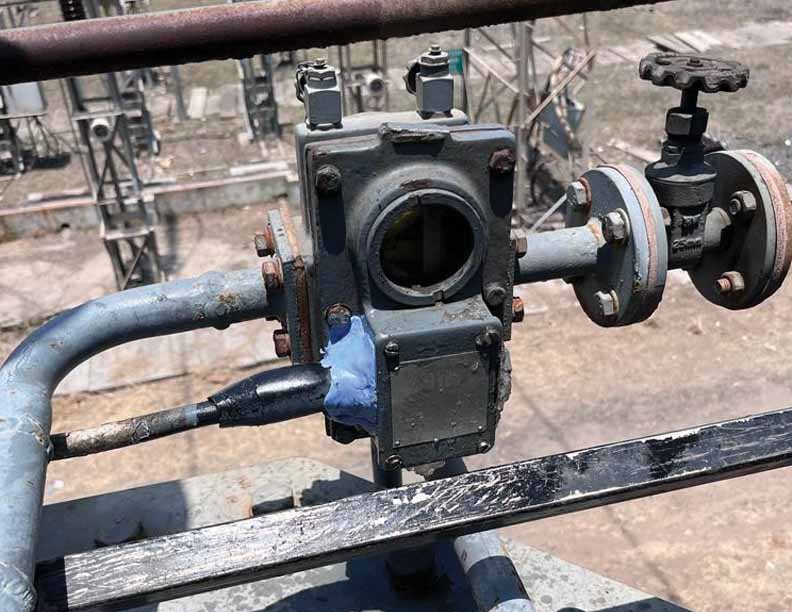
Post-implementation observations during subsequent rainy seasons showed a significant reduction in moisture accumulation, corrosion, and relay-related faults. No false alarms or unintended tripping were reported. Additionally, the life of terminal blocks and wiring improved, and maintenance frequency was reduced.
The use of Silicone paste / putty proved to be a simple, low-cost, and highly effective preventive measure to enhance relay reliability and ensure uninterrupted transformer protection during adverse weather conditions.
Conclusion
Moisture ingress in PRV and Buchholz relay terminal boxes is a critical issue that can lead to false alarms, spurious tripping, or complete failure of transformer protection. While the mechanical parts of PRV and Buchholz relay may remain healthy, malfunctioning of their electrical signalling circuits due to moisture can defeat the entire protection scheme.
Therefore, effective moisture prevention, proper sealing, regular inspection, and reliable heating arrangements in terminal boxes are essential to ensure safe and dependable operation of power transformers.

Dr. Rajesh Kumar Arora obtained his B. Tech. and M.E. degrees in Electrical Engineering from Delhi College of Engineering, University of Delhi. He completed his PhD in grounding system design from UPES, Dehradun. He is also a certified Energy Manager and Auditor and has worked in 400kV and 220kV Substations for more than 14 years in Delhi Transco Limited (DTL). He has also worked as Deputy Director (Transmission and Distribution) in Delhi Electricity Regulatory Commission (DERC). Presently he is working in D&E (Design and Engineering) department of DTL.

Er. Hitesh Kumar obtained his B.Tech degree in Electrical Engineering from Gobind Ballabh Pant University of Agriculture and Technology, Pant Nagar (Nainital), Uttrakhand in the year 1988. He is nominated by Govt. of Delhi as a Member of Standing Committee on Electrical Safety, CEI, CEA – and has worked in Delhi Transco Limited (DTL) for 35 years. He has worked in O&M, OS, metering and Protection Dept. Presently he is working as GM (T) Quality and R&D. He is also heading GIS expert team for technical guidance and support for GIS substations in DTL.